
David Bracamonte

Google Mi Negocio: guía para poner a tu empresa en Google

Google Mi Negocio: guía para poner a tu empresa en Google

¿Quiere llevar su negocio al siguiente nivel y llegar a un público más amplio? No busque más. En la era digital actual, es imprescindible que su empresa aparezca en Google. Con más de 3.500 millones de búsquedas al día, Google es la plataforma a la que acuden las personas que buscan productos y servicios. Al aparecer en Google, puede aumentar su visibilidad, atraer a más clientes y, en última instancia, impulsar su negocio. ¿Por dónde empezar? No se preocupe, aquí le traigo este artículo completo de Google Mi Negocio: guía para poner a tu empresa en Google

En esta guía paso a paso, le guiaremos a través del proceso de inclusión de su empresa en Google, desde la creación de una cuenta de en Google My Business hasta la optimización de su anuncio para mejorar la clasificación en las búsquedas. Tanto si se trata de un pequeño negocio local como de una empresa global, esta guía está repleta de consejos y trucos que le ayudarán a maximizar su presencia online y a alcanzar el éxito. Así que, ¡vamos a sumergirnos y a liberar todo el potencial de su negocio en Google!

Antes de nada, ¿qué es Google Mi Negocio o Google My Business?

Google Mi Negocio, conocido también en inglés como Google My Business, es una herramienta esencial ofrecida por Google que facilita a los empresarios y comerciantes la gestión de su presencia online dentro del vasto ecosistema de Google. Este ecosistema incluye no solo el motor de búsqueda de Google, que es la herramienta de búsqueda más utilizada en todo el mundo, sino también Google Maps, una plataforma de mapeo y navegación integral que es empleada por millones de personas a diario para localizar negocios y servicios en su localidad.

La importancia de Google Mi Negocio radica en su capacidad para permitir a los propietarios de negocios crear un perfil de empresa sólido y detallado. Este perfil sirve como una especie de tarjeta de presentación digital que se muestra cuando los usuarios buscan tu negocio o negocios similares en Google. La información que puedes agregar en este perfil es variada y altamente relevante para los clientes potenciales.

Por ejemplo, puedes mostrar la ubicación exacta de tu negocio utilizando Google Maps, lo que facilita que los clientes te encuentren y visiten tu local físico. También puedes indicar tu horario de atención, para que los clientes sepan cuándo estás abierto y puedan planificar su visita en consecuencia.

Además, Google Mi Negocio permite mostrar comentarios y calificaciones de los clientes. Esto es crucial ya que las revisiones positivas pueden ayudar a establecer la confianza con clientes potenciales y destacar la calidad de tus productos o servicios. Los clientes pueden dejar comentarios sobre su experiencia, y como propietario del negocio, puedes responder a estos comentarios, lo que te permite interactuar con tu clientela y demostrar tu compromiso con la satisfacción del cliente.

como poner mi negocio en google
Cómo poner mi negocio en google

¿Cómo crear tu Perfil de Negocio en Google en solo 5 pasos?

  1. Accede a la plataforma de Google Mi Negocio e inicia sesión con tu cuenta de Google. Lo primero que debes hacer es visitar la página web de Google Mi Negocio. Si ya tienes una cuenta de Google (la misma que usas para Gmail, Google Drive, o YouTube), puedes usarla para iniciar sesión. Si no tienes una cuenta de Google, deberás crear una nueva. Asegúrate de que sea una cuenta que quieras asociar con tu negocio a largo plazo.

  2. Selecciona la opción “Añadir tu negocio” y completa la información solicitada. Una vez que hayas iniciado sesión, deberías ver una opción que dice “Añadir tu negocio”. Al seleccionar esta opción, se te pedirá que completes una serie de campos con información sobre tu negocio. Esto incluirá el nombre de tu negocio, la dirección, el número de teléfono, el sitio web (si lo tienes), y la categoría de tu negocio. Intenta ser lo más preciso posible al completar estos campos.

  3. Verifica la ubicación de tu negocio. Esto es especialmente importante si tienes un negocio con un local físico donde los clientes pueden visitarte. Deberás confirmar que la ubicación que aparece en Google Maps es correcta. Si hay algún error, tendrás la opción de mover el marcador al lugar correcto.

  4. Añade fotos de alta calidad de tu negocio. Las fotos son una excelente manera de destacar tu negocio y mostrar a los clientes potenciales lo que puedes ofrecer. Intenta añadir una variedad de fotos que muestren el interior y el exterior de tu local, tus productos o ejemplos de tu trabajo, y cualquier otro aspecto que creas que pueda atraer a los clientes.

  5. Optimiza tu perfil respondiendo a las evaluaciones de los clientes y actualizando regularmente la información de tu negocio. Una vez que tu perfil esté activo, es importante mantenerlo actualizado y responder a las evaluaciones de los clientes. Esto no solo muestra que te preocupas por tus clientes, sino que también puede ayudar a mejorar la visibilidad de tu perfil. Considera la posibilidad de revisar y actualizar tu perfil de Google Mi Negocio al menos una vez al mes, o incluso más a menudo si es necesario.

Con estos cinco pasos, deberías poder crear y optimizar tu Perfil de Negocio en Google para atraer a más clientes y destacar en las búsquedas de Google y Google Maps.

Optimiza tu ficha de Google My Business

Crear tu perfil de Google Mi Negocio es solo el primer paso. Para maximizar el valor y el alcance de esta herramienta, es vital optimizar tu perfil. Una ficha optimizada puede ayudar a que tu negocio se destaque, sea más fácil de encontrar y, finalmente, atraiga a más clientes.

Añade fotos de alta calidad de tu negocio. Las imágenes juegan un papel crucial en la forma en que los clientes perciben tu negocio. Las fotos de alta calidad pueden hacer que tu perfil sea más atractivo y dar a los clientes una idea clara de lo que pueden esperar. Esto incluye fotos del exterior e interior de tu local, tus productos o servicios, y cualquier otro elemento que pueda ser relevante para tu audiencia. Recuerda que estas imágenes deben ser representativas de tu negocio y estar actualizadas.

Actualiza regularmente la información de tu negocio. La información de tu negocio puede cambiar con el tiempo. Puede que amplíes tus horarios de atención, te mudes a un nuevo local, o añadas nuevos productos o servicios. Mantén tu perfil de Google Mi Negocio actualizado con esta información para asegurarte de que los clientes siempre tengan los datos más recientes. Un perfil desactualizado puede llevar a confusión y frustración, lo que podría dañar tu reputación y hacer que pierdas clientes potenciales.

Responde a las evaluaciones de los clientes. Las evaluaciones de los clientes son una parte vital de tu perfil de Google Mi Negocio. No solo proporcionan a los clientes potenciales una idea de las experiencias de otros, sino que también te dan la oportunidad de interactuar con tu audiencia. Responde a las evaluaciones, tanto positivas como negativas, de manera oportuna y profesional. Esto demuestra que valoras la opinión de tus clientes y estás comprometido con la satisfacción del cliente. Además, Google valora las interacciones positivas y esto podría ayudarte a mejorar tu clasificación en los resultados de la búsqueda.

Pasos para poner mi empresa en Google Maps

El proceso para poner tu empresa en Google Maps es relativamente sencillo, pero cada paso es crucial para asegurarte de que tu negocio sea fácil de encontrar y esté representado correctamente.

1. Crea un perfil de Google Mi Negocio. El primer paso es ir a la plataforma de Google Mi Negocio. Si ya tienes una cuenta de Google (la misma que usas para Gmail, Google Drive o YouTube), puedes usarla para iniciar sesión. Si no tienes una cuenta de Google, deberás crear una. Es importante que utilices una cuenta que quieras asociar con tu negocio a largo plazo.

2. Selecciona la opción “Añadir tu negocio”. Una vez que hayas iniciado sesión, deberías ver una opción que dice “Añadir tu negocio”. Al hacer clic en esta opción, comenzarás el proceso de registro de tu negocio.

3. Completa la información de tu negocio. Se te pedirá que proporciones una serie de detalles sobre tu negocio. Esto incluirá el nombre de tu negocio, la dirección, el número de teléfono, el sitio web (si tienes uno), y la categoría que mejor describe tu negocio. Intenta ser lo más preciso posible al completar estos campos, ya que esta información se utilizará para representar tu negocio en Google Maps.

4. Verifica tu negocio. Google necesita verificar que tu negocio es legítimo y que la información que has proporcionado es correcta. Este proceso varía dependiendo de tu tipo de negocio, pero generalmente implica recibir un código por correo postal en tu ubicación comercial y luego ingresar ese código en Google Mi Negocio.

5. Optimiza tu perfil de Google Mi Negocio. Una vez que tu negocio ha sido verificado, puedes optimizar tu perfil añadiendo más detalles, como tu horario de apertura, fotos de tu negocio, y una descripción de los productos o servicios que ofreces. También puedes responder a las reseñas de los clientes, lo que puede mejorar tu visibilidad y atraer a más clientes.

6. Mantén tu perfil actualizado. Asegúrate de mantener tu perfil de Google Mi Negocio actualizado si cambian los detalles de tu negocio, como tu dirección o horario de apertura. Esto ayudará a los clientes a encontrar la información correcta sobre tu negocio en Google Maps.

Con estos pasos, tu empresa debería estar visible en Google Maps, lo que puede ayudar a atraer a más clientes locales y mejorar tu presencia online.

poner mi negocio en google maps
Google es el buscador número 1 en el mundo

Permitir que las personas conozcan mejor a tu empresa

Con Google My Business, tienes la herramienta perfecta para permitir que las personas conozcan mejor tu empresa. Esta plataforma de Google no sólo te ayuda a poner tu empresa en Google Maps, sino que también te permite compartir la historia, productos y servicios únicos de tu negocio.

Google My Business se convierte en un escaparate de tu negocio en Google. Al completar tu perfil de negocio en esta plataforma, tienes la oportunidad de mostrar a los clientes potenciales lo que hace que tu empresa sea única. Por ejemplo, puedes compartir la historia de tu empresa, detalles sobre tus productos o servicios, y lo que te distingue de tus competidores.

Asegúrate de proporcionar información relevante y actualizada en tu perfil de Google My Business. Esto incluye el nombre de la empresa, número de teléfono, horario de funcionamiento y ubicación. Esta información permite a los clientes encontrar tu negocio en Google y en Google Maps.

Pero Google My Business va más allá, también puedes utilizar la sección “Posts” para compartir actualizaciones, ofertas especiales, eventos y mucho más. Esto puede ayudarte a atraer más clientes y a que las personas se conviertan en clientes leales.

Es importante tener en cuenta que Google My Business no es solo para las empresas que tienen una ubicación física. Las empresas que ofrecen servicios en el área de servicio de un cliente, como un salón de belleza a domicilio o una tienda de artículos deportivos online, también pueden beneficiarse de Google My Business.

Por otro lado, Google My Business te permite interactuar con tus clientes. Puedes responder a las reseñas, lo cual es una excelente manera de mostrar a los clientes que te importa su opinión. También puedes utilizar la función de preguntas y respuestas para proporcionar más información sobre tu negocio.

Trata siempre de conseguir buenas evaluaciones de los clientes

Las evaluaciones de los clientes son un componente crucial de tu perfil de negocio en el Google My Business. En la era digital, tu empresa en Google es tan importante como tu presencia física, y estas evaluaciones son una pieza esencial en el rompecabezas. Una calificación alta puede mejorar la visibilidad de tu negocio en Google, apareciendo en los resultados de búsqueda de Google y en Google Maps, y puede aumentar la confianza de los clientes potenciales.

Las personas confían en las evaluaciones de los clientes casi tanto como en las recomendaciones personales. En la búsqueda de Google, los clientes potenciales pueden ver las evaluaciones de tu negocio en Google My Business incluso antes de visitar tu sitio web o tu tienda física. Y en los mapas de Google, las evaluaciones pueden ser el factor que incline la balanza a favor de tu negocio cuando un cliente potencial está decidiendo a dónde ir.

Pero las evaluaciones de los clientes no solo afectan la forma en que los clientes potenciales ven tu empresa en Google, también pueden proporcionarte valiosos insights. Por ejemplo, puedes descubrir qué es lo que más valoran tus clientes de tu empresa, qué aspectos creen que podrían mejorarse, y mucho más. Esta información puede ser extremadamente útil para mejorar tu servicio al cliente y tu oferta de productos o servicios.

Por lo tanto, es importante que tomes medidas proactivas para conseguir buenas evaluaciones de los clientes. Primero, por supuesto, necesitas proporcionar un excelente servicio al cliente. Los clientes satisfechos son más propensos a dejar una evaluación positiva. Pero no deberías dar por sentado que los clientes satisfechos dejarán una evaluación. En muchos casos, es posible que tengas que solicitarles que dejen una evaluación después de su experiencia.

Google My Business facilita este proceso. En tu panel de control de Google My Business, puedes enviar una solicitud de evaluación directamente a los clientes a través de un enlace que puedes compartir con ellos. También puedes configurar recordatorios automáticos para enviar estas solicitudes después de que un cliente haya interactuado con tu negocio.

Añadir fotos de tu negocio, producto o servicio

Las fotos son un elemento central de tu perfil de empresa en Google My Business. Añadir fotos de alta calidad de tu negocio, productos o servicios, es una excelente manera de destacar en los resultados de búsqueda de Google y en Google Maps. Las fotos pueden mostrar a tus clientes potenciales lo que tu negocio tiene para ofrecer y ayudar a que tu empresa en Google sea más atractiva.

En tu perfil de negocio en Google My Business, puedes agregar una variedad de fotos que muestren diferentes aspectos de tu negocio. Por ejemplo, puedes incluir fotos del interior y el exterior de tu local para dar a los clientes potenciales una idea de lo que pueden esperar cuando visiten tu negocio. También puedes incluir fotos de tus productos o servicios en acción, que pueden dar a los clientes una mejor idea de lo que ofreces.

En tu panel de control de Google My Business, encontrarás opciones para subir fotos. Al hacer clic en esta opción, podrás seleccionar las fotos que desees cargar desde tu dispositivo. Recuerda que las fotos deben ser claras, bien iluminadas y representar con precisión tu negocio.

Es importante tener en cuenta que las fotos que subas pueden ser vistas por las personas que buscan tu empresa en Google, así que asegúrate de que estén a la altura. Una vez que hayas cargado tus fotos, estas aparecerán en tu perfil de negocio en Google, en los resultados de búsqueda de Google y en la Google Maps.

Además de las fotos de tu local y tus productos, puedes considerar agregar otras imágenes que puedan interesar a tus clientes. Por ejemplo, si tienes un salón de belleza, podrías incluir fotos de antes y después de tus servicios. Si tienes una tienda de artículos deportivos, podrías incluir fotos de nuevos productos o de eventos especiales en tu tienda.

La inclusión de fotos en tu perfil de Google My Business no solo puede hacer que tu negocio sea más atractivo para los clientes potenciales, sino que también puede darles una mejor idea de lo que pueden esperar de tu negocio. Esto puede ayudar a que se conviertan en clientes y puede mejorar la visibilidad de tu negocio en Google.

Llena la información en la pestaña “Agregar tu negocio”

En la pestaña “Agregar tu negocio de”, tendrás la oportunidad de proporcionar toda la información relevante sobre tu negocio. Esto incluye el nombre de tu negocio, la categoría a la que pertenece, su ubicación, el horario de atención, y mucho más. Asegúrate de completar todos los campos para maximizar la visibilidad de tu negocio en Google.

Confirma tu autorización para administrar la empresa

Finalmente, deberás confirmar que tienes la autorización para administrar el perfil de la empresa en Google Mi Negocio. Esto es para asegurar que sólo las personas autorizadas tengan acceso a la información sensible del negocio.

Ingresa a la página de la plataforma y haz el login

Para empezar, visita la página de Google Mi Negocio e inicia sesión con tu cuenta de Google. Si aún no tienes una cuenta, puedes crear una de forma gratuita.

Revisá las estadísticas del perfil comercial y ¡aumentá las ventas!”

Una vez que hayas configurado y optimizado tu perfil de Google Mi Negocio, es importante revisar regularmente las estadísticas para entender mejor cómo los clientes interactúan con tu perfil. Estos insights pueden ayudarte a ajustar tu estrategia de marketing y, en última instancia, aumentar las ventas de. para tu negocio.

Con esta guía, podrás maximizar el potencial de Google Mi Negocio y asegurarte de que tu empresa sea visible para los clientes potenciales en Google. Recuerda, la clave para el éxito en Google Mi Negocio es mantener tu perfil actualizado y responder a las evaluaciones de los clientes. ¡Buena suerte!

Continue Reading

Database Marketing - Definition, Types, Importance, and Strategies

Database Marketing – Definition, Types, Importance, and Strategies

Database marketing is a form of direct marketing that utilizes databases of data collected from customers to generate targeted lists for direct marketing communications. Such databases include customers’ names and addresses, phone numbers, emails, purchase histories, information requests, and any other data that can be legally and accurately collected. In this blog article, I focus on Database Marketing – Definition, Types, Importance, and Strategies; I hope you like it.

The database marketing challenges of database definition help organizations better understand and meet the needs of their customers, improving communication and making marketing efforts more effective. Database marketing software helps businesses manage this massive amount of information effectively, streamlining the creation of targeted marketing campaigns.

Different database marketing strategies include consumer database marketing or consumer data only, where businesses collect information about consumers to target their marketing better, and business database marketing, where a company collects data about other interactions for marketing purposes.

detailed business database

The Importance of Database Marketing

The essence of database marketing lies in the concept that the more a company knows about its existing and potential customers beforehand, the better it can design marketing strategies to attract and retain them. For instance, a customer database marketing approach enables a company to tailor offers or services to individual customers based on their preferences and purchasing history.

A database acquisition data management marketing strategy ensures that your company gathers, stores, and analyzes data correctly. This data is then used to make informed marketing decisions, increasing the return on investment (ROI).

The examples of database marketing range from simple email newsletters tailored to individual customer preferences to more complex loyalty programs such data those that reward repeat purchases. A well-maintained database can also help identify potential upsells and cross-sells, maximizing revenue from existing customers.

How Does Database Marketing Strategy Work?

A database marketing strategy typically involves collecting customer information, segmenting that information to create target markets, and then utilizing that data to design marketing campaigns. Advanced customer segmentation goes even further, using sophisticated algorithms to group customers based on diverse characteristics and behaviors.

The power of database marketing lies in the ability to speak directly to your audience members. With a comprehensive understanding of who your potential customers are and what they want, you can deliver personalized messages that resonate with their needs and desires.

Designing a free tool, like a calculator or an app, to gather customer data can also be a way to collect valuable customer data. This tool provides value to the user while allowing the company to collect data that can be used for marketing purposes.

customer behavior

Challenges of Database Marketing

Despite its advantages, database marketing has its challenges. The process of database collection and maintenance can be an expensive endeavor, requiring substantial resources. Moreover, some laws and regulations govern customer data collection, storage, and use, and non-compliance can result in severe penalties.

Not all businesses may have the budget or technical expertise to implement database marketing strategies effectively. Exploring other marketing methods for these businesses, such as social media marketing or search engine optimization (SEO) may be worth exploring.

Additionally, a database marketing strategy’s success heavily relies on the data’s quality. The data must be accurate, up-to-date, and relevant. Data quality can lead to accurate targeting, undermining the benefits of database marketing efforts and negatively affecting customer relationships.

Database marketing offers numerous advantages in reaching customers more effectively and personalizing marketing efforts. However, it comes with its challenges, and businesses need to invest in proper database management systems and follow best practices to make the most out of their database marketing strategies.

Effective Database Marketing Strategies

Database marketing strategies go beyond just collecting customer information. It’s about analyzing, collecting data, interpreting, and utilizing this data to drive marketing efforts. An effective database marketing strategy enables businesses to target their marketing efforts more effectively, ensuring that the right message gets to the right people at the right time.

Creating a database of your target audience involves more than just a list of names and email addresses. It’s about gathering as much information as possible, including demographics, purchasing history, preferences, and behaviors. This in-depth understanding allows you to segment your audience, tailoring your marketing campaigns to different customer groups’ needs and wants.

Loyalty programs that inspire repeat purchases can be a powerful component of a successful database marketing strategy. They allow you to reward loyal customers, encourage repeat business, and gather data about purchasing behaviors. Understanding what motivates your customers to make repeated purchases can help optimize your product offerings and marketing messages.

target audience

CRM and Database Tools

Database marketing software and Customer Relationship Management (CRM) tools are crucial in managing and utilizing customer data effectively. These tools allow businesses to store, organize, and analyze customer data, making segmenting customers and creating personalized marketing campaigns easier.

CRM tools can help you identify your best customers, and potential upsells. They provide valuable insights into customer behavior, assisting businesses to predict future behaviors and make informed marketing decisions.

The right database marketing software enables businesses to use customer data quickly and appropriately. Timeliness is key in today’s fast-paced market, and companies must react quickly to changing customer needs and market trends.

Finding the Right Home for Your Database

Not all database homes are created equal; the right choice depends on your business’s needs. The platform’s capacity, security features, integration capabilities, and cost are essential to consider.

Security is fundamental, given the sensitive nature of customer data. A breach can severely damage a company’s reputation, resulting in fines. Therefore, choosing a database platform with robust security features and a good track record is essential.

Your database platform should also integrate well with other systems, such as your CRM or marketing automation platform. Seamless integration allows for efficient data flow, making leveraging customer data in your marketing efforts easier.

Database Marketing Examples

Businesses across various industries utilize database marketing to increase sales and build stronger customer relationships. For instance, a retail company might use purchase history data to send personalized product recommendations to new customers. A SaaS company could use usage data to identify customers ready for an upgrade.

The key is understanding what products and services your ideal customer really needs and then using this information to create relevant, personalized marketing messages. This level of personalization can significantly increase customer engagement and conversion rates.

In conclusion, database marketing has the potential to significantly enhance your marketing efforts, providing a more personalized and efficient approach to reaching your customers. While it does present challenges, with the right strategies and tools in place, businesses can leverage their databases to gain a competitive edge in the marketplace.

Tips for Building a Database Marketing Strategy

Building an effective database marketing strategy requires careful planning and execution. Here are some tips to help you get started.

Firstly, identify who you want to reach. Define your target audience in terms of demographics, behaviors, and preferences. This step lays the foundation for all your marketing activities.

Next, collect customer information. This can be done through various means, such as online forms, customer surveys, transaction data, and transactions. Remember always to respect privacy laws and get explicit consent where required.

Lastly, create a targeting plan using demographic data. Use your collected data to segment your audience and tailor your marketing messages. This increases the relevancy of your communications, which can lead to higher engagement rates.

You should try database marketing if you can

Database marketing can offer substantial benefits to businesses of all sizes. If you have the resources and capabilities to collect, manage, and analyze customer data, you should consider implementing a database marketing strategy.

Database marketing can help you understand your customers more deeply, enabling you to meet their needs effectively. It can also enhance the efficiency of your marketing activities by allowing you to target your communications more precisely.

However, keep in mind that database marketing isn’t a one-size-fits-all solution. Tailoring your strategy to your specific business needs and customer base is important.

Database Marketing – Definition, Types, Importance, and Strategies.

While database marketing offers numerous benefits, it may not suit every business. If you lack the resources to manage and analyze large amounts of data, or if your customer base is small or doesn’t generate much data, you may consider other marketing methods.

Social media marketing, content marketing, and search engine optimization (SEO) can also effectively reach and engage your audience. These methods can be more cost-effective and easier for small businesses or those just starting.

Ultimately, the key to effective marketing is understanding your audience and choosing the methods that allow you to reach them most effectively and efficiently. Whether that involves database marketing, social media marketing, or a combination of approaches will depend on your customer’s future behavior and unique business needs and circumstances.

Continue Reading

Top 3 Free Artificial Intelligence and Machine Learning Courses (2023)

Top 3 Free Artificial Intelligence and Machine Learning Courses (2023)

Important Note About Artificial Intelligence and Machine Learning Courses

Before we dive into the Top 3 Free Artificial Intelligence and Machine Learning Courses (2023), it is vital to understand the relevance and future of these fields today and future too. AI and ML are transforming industries’ operations, from technology to healthcare, finance, marketing, and marketing.

Training in AI and AA is no longer an option but is necessary for those who want to keep up with technology trends. Here are three of the best free courses to help you start or advance your career in AI and AA.

Machine Learning and Artificial Intelligence

All AI elements are importants this days

AI is a field of computer science that attempts to simulate and make artificial intelligence to enhance human and artificial intelligence together. On the other elements of ai hand, AA is a subsection of AI that focuses on developing algorithms that take over natural language understanding and allow computers to learn from data.

AI and AA courses should provide a solid foundation in artificial intelligence and deep learning in these two interrelated fields. Students should learn to understand and apply the principles and practices of AI and AA, and courses should equip students with the practical skills needed to apply these principles in real-world situations.

The Google AI Certification Courses

Natural Language Understanding

The Google AI Certification Course, specifically the Professional Machine Learning Engineer Certification, is designed to equip students with the skills to design, build, and produce Machine Learning (ML) models to solve business challenges using Google Cloud technologies. A professional in this field should be proficient in all aspects of model architecture, data pipeline interaction, and metrics interpretation and have a solid understanding of application development, infrastructure management, and data science and engineering, and data science governance. The course is keen on responsible AI throughout the ML software development process and encourages collaboration with other job roles for the long-term success of models.

The certification exam assesses the abilities of as data scientist to frame ML problems, mine key data and complex problems, develop ML models, architect ML solutions, automate and orchestrate ML pipelines, design data preparation and processing systems, and monitor, optimize, and maintain ML solutions.

The certification exam lasts two hours and costs $200 plus applicable taxes. It is conducted in English and consists of 50-60 multiple-choice and multiple-select questions. The exam can be taken either online or at a testing center. There are no prerequisites for the exam, but it is recommended that candidates have 3+ years of industry experience, including one or more years designing and managing solutions using Google Cloud. All Google Cloud certifications are valid for two years from the certificate date, and recertification is required to maintain the certification status.

In preparation for the Machine Learning Engineer exam, it is recommended that candidates have 3+ years of hands-on experience with Google Cloud products and solutions. The exam guide provides a complete list of topics that may be included in the exam. To prepare, candidates are encouraged to review the sample questions to familiarize themselves with the format and potential content. Various training resources are available to candidates, including online training, in-person classes, hands-on labs, and other resources from Google Cloud. Candidates can also get valuable exam tips, tricks, and industry experts’ insights. Once ready, candidates can schedule the exam and choose whether to take it remotely or at a nearby testing center.

This course provides a comprehensive and practical introduction to AI, covering key concepts in machine learning, such as supervised and unsupervised, machine learning itself, deep AI, and neural networks. It also offers opportunities to work on real-world projects, enabling students to apply what they’ve learned in the course in a practical context.

Want to learn how to build AI? Then do this

If you want to learn basic concepts about building AI systems, then Google’s course is an excellent choice. But beyond that free course, there are two other courses worth mentioning.

Google Machine Language Course

Firstly, Google provides a Machine Learning Crash Course that is an excellent entry point for those who want to learn about AI. This course offers a hands-on, practical introduction to machine learning using TensorFlow APIs. It is designed in a fast-paced manner and features a series of lessons, video lectures, real-world case studies, and practice exercises. The course is designed to take approximately 15 hours to complete and includes over 25 classes and 30 activities. Topics covered include key machine learning concepts like the differences between machine learning and traditional programming, understanding and measuring loss, gradient descent, model effectiveness, data representation, and building deep neural networks​.

The Stanford University AI Course

Stanford University offers a free online course, “CS230: Deep Learning.” This course dives deep into the fundamentals of advanced machine learning and AI. The system consists of a series of lectures on topics such as deep learning intuition, full-cycle deep learning projects, adversarial attacks, AI in healthcare, deep learning project strategy, interpretability of neural networks, career advice, deep reinforcement, machine learning itself, and chatbots. The course videos are freely available online. Unfortunately, I couldn’t find details on the exact structure and content of the course within the allotted time.

Want to use AI for real-world business challenges? Then do this

Google also offers a Professional Machine Learning Engineer Certification for those looking to apply AI to real-world business challenges. This certification assesses your ability to frame ML problems, develop ML models, architect ML solutions, automate and orchestrate ML pipelines, design data preparation, and processing systems, and monitor, optimize, and maintain ML solutions. Google recommends having 3+ years of hands-on experience with Google Cloud products and solutions before attempting the Machine Learning Engineer exam. The certification process involves preparing for the exam, understanding the content, reviewing sample questions, training, and scheduling the exam.

Google Career Certificates for 2023:

1. Google IT Support Professional Certificate

– It’s the most popular Google career certificate and prepares students to enter the IT industry as support specialists.

– It includes five online courses, and it takes, on average, six months to complete.

– Courses cover technical support fundamentals, computer networking, operating systems, system administration, and IT security.

– Jobs you can apply for after completing this certificate include IT support specialist, junior system administrator, or system analyst.

– The starting salary for an entry-level IT support specialist in the US is around $50,000 annually. Professionals with more experience (10+ years) can become senior IT specialists and earn a salary of $69K per year.

2. Google UX Design Professional Certificate

– This certificate prepares students for a career in web and application design.

– It includes seven online courses and takes an average of 4 months to complete.

– Courses cover topics like foundations of UX design, building wireframes, performing UX research, creating websites, and mobile app prototypes.

– Jobs you can apply for after completing this certificate include UX designer, web designer, application designer, or web developer.

– The average salary for entry-level UX-design jobs is $58,600 per year and can rise to $108K per year for the more experienced (10+ years).

3. Google IT Automation Professional Certificate

– It is the most popular programming certification offered by Google and teaches students how to create computer programs and automate everyday tasks using Python.

– It includes six online courses and takes an average of 4 months to complete.

– Courses cover topics related to computer programming, including how to use Python to create programs and scripts, how to use Git and GitHub to store and distribute your software, and how to write efficient computer code.

– Jobs you can apply for after completing this certificate include Python programmers either in a company’s IT department or as freelance developers.

4. Google Data Analytics Professional Certificate

– This is one of the most valuable Google career certifications you can get.

– Certified data analysts get an entry-level salary of $67,900 annually and can grow to more than $110K once they get 10+ years of working experience.

– The certificate includes eight online courses, and it takes at least eight months to complete all lessons.

– Courses cover topics related to data management, including data processing, data visualization, and data analysis.

– It is suitable for people who like working with data, numbers, spreadsheets, and making presentations【34†source】.

5. Google Project Management Professional Certificate

– This certificate is the best to pursue if you want to start a project management career.

– It’s an entry-level certification that can get you a job as a project manager and prepare you to obtain the PMP certification, the industry standard in project management.

– The average salary for entry-level project managers is $59,000 per year. Experienced project managers handling big projects can quickly get a minimum of $100K annually.

Many other Google career certificates are available, including Google Digital Marketing & eCommerce Professional Certificate, Google Advanced Data Analytics Professional Certificate, Google Business Intelligence Professional Certificate, and Google Cybersecurity Professional Certificate.

If you’re interested in a specific field, I’d recommend looking into the Google Career Certificate that aligns with your career goals.

Continue Reading

10 habilidades esenciales que todo Community Manager debe tener

10 habilidades esenciales que todo Community Manager debe tener

En la era digital actual, la figura del community manager adquiere un protagonismo cada vez mayor en el desarrollo y la consolidación de la presencia en línea de una marca. Desde las redes sociales hasta los foros, estos profesionales asumen la responsabilidad de interactuar con los clientes, crear contenidos y fomentar un sentido de comunidad en torno a una marca. Pero, ¿cuáles son las competencias necesarias para destacar en este papel? En este artículo vamos a profundizar en las 10 habilidades esenciales que todo gestor de comunidades debe dominar.

Estas habilidades abarcan desde la comunicación y la creatividad hasta el análisis de datos y el pensamiento estratégico. Independientemente de si ya eres un community manager con experiencia o estás empezando en este campo, perfeccionar estas habilidades te permitirá construir una comunidad sólida y comprometida que generará resultados positivos para tu marca. Acompáñanos en este recorrido y descubre qué se necesita para ser un gestor de comunidades de primer nivel en el cambiante panorama digital actual.

Introducción a la gestión de comunidades

woman in gray business suit sitting in a luxurious car
Photo by Tima Miroshnichenko on Pexels.com

La gestión de comunidades se ha convertido en un elemento crucial en la estrategia de marketing digital. Un Community Manager es quien gestiona y modera la presencia en línea de una marca, ya sea en redes sociales, foros, blogs o cualquier otro espacio digital donde la marca tenga presencia. Su labor consiste en interactuar con los clientes, incentivar la participación y crear una comunidad alrededor de la marca. Esta comunidad puede resultar muy valiosa para la marca, ya que puede proporcionar retroalimentación, generar nuevas ideas y establecer una relación más estrecha entre la marca y sus clientes.

Entendiendo el papel de un Community Manager

Un Community Manager es un profesional con una amplia gama de responsabilidades que van más allá de la gestión de redes sociales. Su papel implica la creación de una estrategia de comunicación efectiva para la marca y el seguimiento de su cumplimiento. Esto incluye la creación de contenido, la gestión de la presencia en línea de la marca y la interacción con los clientes. Además, debe ser capaz de analizar los datos de la comunidad y hacer recomendaciones sobre cómo mejorar la estrategia de marketing digital de la marca.

Habilidades de comunicación

La habilidad más importante que un Community Manager debe tener es la habilidad de comunicación. Este profesional debe ser capaz de comunicarse de manera efectiva en línea, ya sea a través de las redes sociales, foros o cualquier otro medio en línea. Esto implica ser capaz de escribir contenido atractivo y optimizado para SEO, así como de interactuar con los clientes y resolver problemas de manera efectiva.

Habilidad de escucha

multiethnic cheerful colleagues talking about job and working with documents
Photo by Alexander Suhorucov on Pexels.com

Un buen Community Manager debe poseer excelentes habilidades de escucha. Debe ser capaz de sintonizar con los clientes y comprender sus necesidades y deseos. Esto abarca la capacidad de responder a las preguntas de los clientes de manera efectiva y de solucionar problemas de forma rápida y eficiente.

Habilidad de resolución de conflictos y resolución de problemas

Un Community Manager debe tener la habilidad para resolver conflictos y problemas de manera eficaz. Esto implica ser capaz de manejar situaciones difíciles, proporcionar soluciones rápidas y efectivas, y trabajar en equipo con otros miembros para solucionar problemas.

Habilidades de marketing y promoción

El Community Manager debe tener la capacidad de promocionar la marca y construir una imagen positiva de la misma. Esto implica ser capaz de crear contenido atractivo y optimizado para SEO, así como de utilizar las redes sociales y otras herramientas de marketing digital para promocionar la marca. Además, debe ser capaz de desarrollar estrategias de marketing efectivas y medir su éxito.

Habilidades analíticas

El Community Manager debe tener habilidades analíticas para poder interpretar los datos de la comunidad y hacer recomendaciones sobre cómo mejorar la estrategia de marketing digital de la marca. Esto implica ser capaz de usar herramientas analíticas para medir el éxito de la estrategia de marketing digital y hacer recomendaciones basadas en los datos.

Habilidades de creatividad e innovación

people doing group hand cheer
Photo by Dio Hasbi Saniskoro on Pexels.com

El Community Manager debe ser capaz de generar contenido atractivo e innovador que atraiga a la comunidad de la marca. Esto incluye la habilidad para pensar de forma creativa e innovar en la forma en que se presenta el contenido. Además, debe estar al tanto de las últimas tendencias y ser capaz de adaptarse a los cambios en el mercado.

Habilidades de gestión del tiempo y organización

El Community Manager debe ser capaz de gestionar su tiempo de manera efectiva y organizar sus tareas para cumplir con las demandas del trabajo. Esto implica la habilidad para priorizar tareas y establecer plazos realistas para su cumplimiento.

Habilidades de adaptabilidad y flexibilidad

El Community Manager debe ser capaz de adaptarse rápidamente a los cambios en el mercado y ser flexible en su enfoque. Esto implica la habilidad para trabajar en equipo y colaborar con otros miembros del equipo para lograr los objetivos de la marca.

Herramientas y recursos de gestión de comunidades

Existen numerosas herramientas y recursos disponibles para los Community Managers que pueden ayudarles a gestionar y moderar la presencia en línea de una marca. Estas herramientas incluyen herramientas analíticas, herramientas de gestión de redes sociales y foros, y herramientas de automatización de marketing.

10 habilidades esenciales que todo Community Manager debe tener

Ser un Community Manager eficaz requiere una amplia gama de habilidades, desde la comunicación y la creatividad hasta el análisis de datos y la gestión del tiempo. Los Community Managers son responsables de crear y mantener una comunidad comprometida y activa en torno a una marca. Aunque el trabajo puede ser desafiante, también es muy gratificante y puede proporcionar una gran cantidad de oportunidades para el crecimiento profesional y personal. Si estás interesado en convertirte en un Community Manager, asegúrate de perfeccionar estas habilidades y de mantenerte al día con las últimas tendencias en el mercado.

Continue Reading

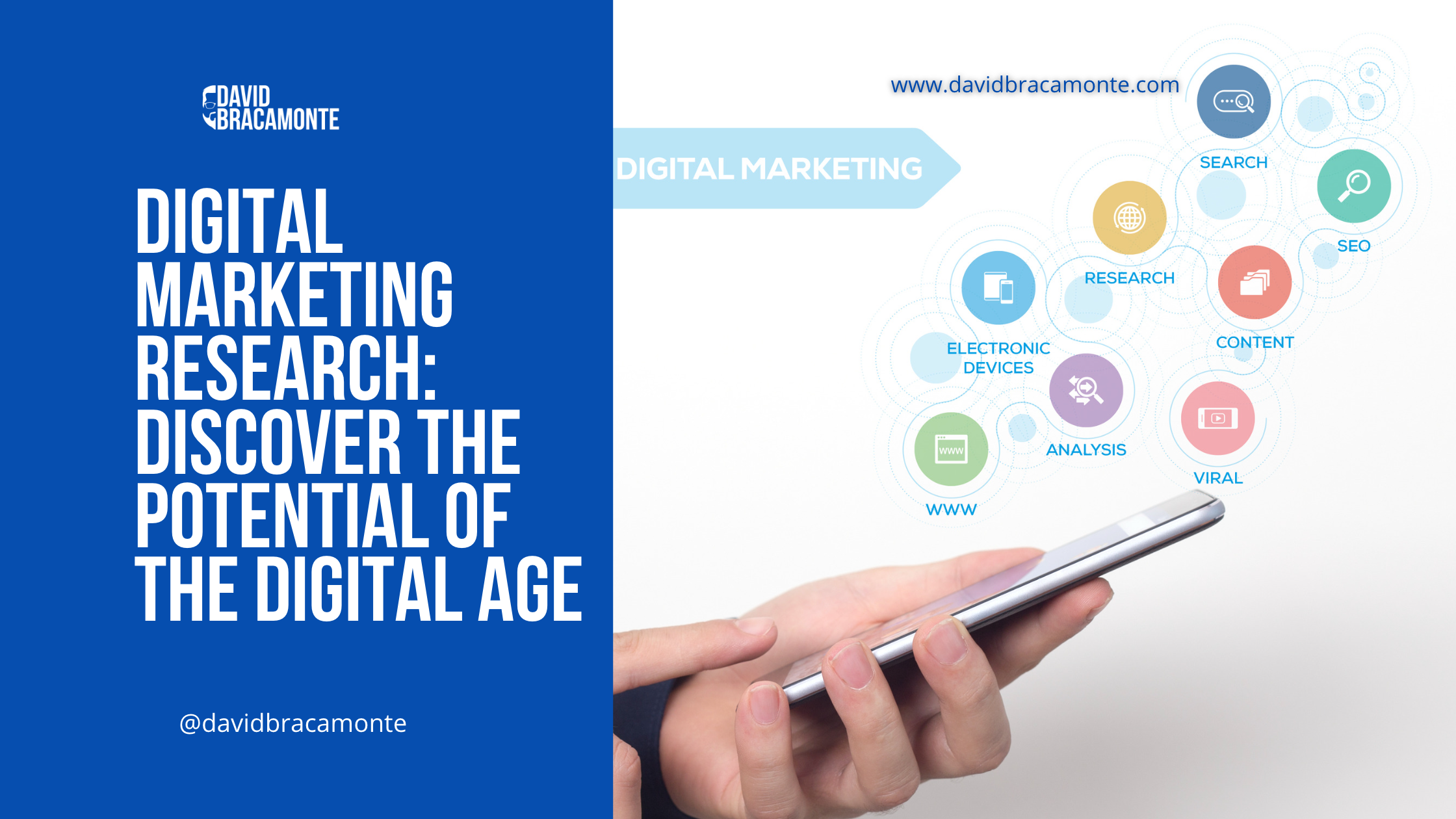
Digital Marketing Research: Discover the Potential of the Digital Age

Digital Marketing Research: Discover the Potential of the Digital Age

In today’s world, digital marketing has become an essential tool for companies wishing to achieve online success. In this context, digital marketing research plays a crucial role in providing valuable information about consumer preferences and behaviors, as well as market trends and opportunities. So I invite you to read this article “Digital Marketing Research: Discover the Potential of the Digital Age”.

Digital Market Research, Inc (DMR) is a leading market research service provider. Since its establishment in 1996, DMR has positioned itself as a comprehensive provider of information technology integration solutions, consulting and recruitment services. It focuses on helping clients solve problems, providing professional consulting and offering skilled staffing solutions.

In the digital marketing arena, having a strong market research background is vital. Research provides a solid foundation for developing effective marketing strategies by enabling companies to understand their target audience better, identify market opportunities and make informed decisions.

In this article, we will explore in depth the importance of digital marketing research and how Digital Market Research, Inc. (DMR) has positioned itself as a leader in the field of market research. In addition, this free course, we will see why it is relevant to acquire solid market research skills to succeed in the competitive world of digital marketing.

The value of digital marketing research

Digital marketing research plays a critical role in the growth and expansion of businesses in the online environment. By investing in research, companies can gain valuable consumer insights and into their target audience, allowing them to better understand their needs, preferences and behaviors. This in-depth understanding of the consumer is essential to developing effective marketing strategies that generate successful results.

Digital marketing research not only provides insights into consumer behavior, but marketing information also reveals market trends. Identifying the latest trends and changes in the marketplace is key to adapting quickly and staying competitive. Marketing research allows companies to stay on top of changing consumer demands, new market opportunities and strategies used by competitors.

A prime example of the value of digital marketing research is social media analysis. Through research, companies can collect data on consumer interactions on social networks, such as their comments, likes and dislikes. This data can be used to better understand how consumers engage with the brand and what type of content resonates most with them. This information allows companies to tailor their content strategy and messaging to generate greater customer engagement and loyalty.

Another example is keyword analysis and search trends. Digital marketing research and competitor analysis allows identifying the most relevant keywords for the business and understanding which topics or products interest consumers most. This allows companies to adjust their SEO and content strategy to optimize their search engine visibility and capture the attention of their target audience.

Digital marketing research offers incalculable value for companies. Providing insights into consumer behavior and market trends helps companies develop effective strategies that drive success in the digital environment. With tangible examples of how research can inform and optimize marketing strategies, it is clear that investing in research is critical to growth and competitiveness in the digital world.

Importance of courses in marketing research

Taking a course in marketing research has numerous benefits for those who wish to gain solid knowledge in this highly relevant field in digital marketing. These courses offer a wide range of topics and skills that allow professionals to boost their career and provide added value to customers and the companies they work for.

One of the key benefits of courses in marketing research is the acquisition of specialized skills. These courses cover data analysis, business analytics and marketing strategies, providing students with a solid foundation of knowledge and practical skills. Professionals can make informed decisions and develop effective strategies that drive business success by understanding how to analyze and use research data.

Online courses also offer flexibility and convenience to learn at your own pace. With customizable schedules and free access to online study materials, students can tailor their learning to their own needs and responsibilities. This is especially beneficial for those who work full-time or have other commitments, as they can study independently and progress at their own pace.

In addition, online courses allow learning from subject matter experts. Instructors and market research professionals share their knowledge and experience through interactive resources, videos and Q&A sessions. This allows students to gain valuable insights and a deeper understanding of marketing research concepts basic principles and practices.

Taking a course in marketing research is highly beneficial for those who wish to acquire specialized skills in the field of digital and marketing analytics. These courses cover key topics such as data analysis and marketing strategies, and offer flexibility and convenience to learn at your own pace. By investing in marketing research education, professionals can strengthen their profile and contribute significantly to the success of businesses in the digital environment.

Marketing research course options

Several online course options are available for those interested in gaining knowledge and skills in marketing research. These courses offer a wide range of topics ranging from basic and management fundamentals to more specialized aspects, allowing students to customize their learning according to their interests and needs.

One of the advantages of these courses is the possibility of obtaining recognized certifications in the field of marketing research. These certifications are a testament to the skills and competencies acquired, which can enhance the professional profile and provide competitive advantages in the job market. Some recognized certifications in market research include the Certified Market Research Professional (CMRP) program and the Associate Market Researcher Certification (AMRC).

Among the specialized courses in market research are those focused on market analysis and applied research in different fields. For example, market analysis focuses on techniques and tools for analyzing market data and trends, enabling companies to make informed decisions. On the other hand, applied research in fields such as social sciences and computer science focuses on using research methods to understand consumer behavior, buying patterns, and preferences in these specific fields.

In addition, courses in marketing research typically address topics such as research methodology, data collection and analysis, interpretation of results, and application of findings in strategic marketing decision-making. Concepts such as sampling, market segmentation, and survey design and techniques, interviewing, and qualitative and quantitative data analysis are also explored.

Online university courses offer a variety of formats and approaches, from interactive lessons and downloadable study materials to video tutorials and hands-on assessments. In addition, many courses provide the opportunity to interact with instructors and other students through online forums and discussion sessions, facilitating the exchange of knowledge and experiences.

There are several online course options in marketing research. These courses allow students to obtain recognized certifications and specialized skills in market analysis and applied research in different fields. By participating in these courses, students develop a solid foundation of knowledge and practical skills that enable them to contribute effectively in digital marketing and strategic decision-making based on market research data.

Advantages of market research in today’s business world

Market research has become a highly demanded skill in today’s business world due to high demand and the numerous advantages it offers companies. Training market research professionals has become critical as businesses look to stay competitive and achieve success in the digital environment.

One of the main advantages of market research is that it provides accurate and relevant information about consumers and the market in general. Companies can better understand their target audience, learn about their needs, wants and preferences, and thus develop more effective marketing strategies. Market research helps identify market opportunities, assess demand for products or services, and make informed decisions based on data.

Businesses can benefit greatly from having trained market research professionals. These professionals can effectively collect, analyze and interpret data, enabling them to provide valuable information to their team and support strategic marketing decision making. A data-driven approach helps companies understand market trends, evaluate the effectiveness of their marketing campaigns and make real-time adjustments to maximize results.

In addition, trained market research professionals are instrumental in driving companies’ marketing strategies. They can identify unmet market needs, segment audiences more effectively, and develop customized messages and campaigns. This results in greater customer engagement, improved marketing ROI and cost, and increased customer satisfaction and loyalty.

In the digital marketing field, market research expertise offers numerous career growth opportunities. Companies seek professionals who can apply market research techniques in the digital environment, understand key metrics, and make data-driven decisions to drive online success. In addition, having skills in market research enhances employability and career prospects in various roles, such as marketing managers, market analysts, marketing consultants, and data analytics specialists.

Marketing research is a highly sought-after skill in today’s business world. Businesses benefit from trained market research professionals to develop effective strategies, understand their audience, and make informed decisions based on data. In digital marketing, knowledge in market research offers numerous opportunities for professional growth and enhances career prospects in marketing and data analytics.

The role of digital marketing research

In conclusion, digital marketing research plays a critical role in the success of companies in the digital environment. It provides valuable information about consumers, market trends, and effective marketing strategies. Courses in marketing research are an excellent way to acquire specialized knowledge and skills in this highly relevant field.

The benefits of taking a course in marketing research are significant. These courses provide a solid foundation of knowledge in key areas such as data analysis principles, business analytics, and marketing strategies. In addition, online courses provide the flexibility and convenience of learning at your own pace, making them accessible to those with work commitments or other responsibilities.

Therefore, we invite you to tap into the potential of digital marketing by enrolling in and completing an online marketing research course. These courses will give you the skills to understand your audience, make data-driven decisions, and develop effective marketing strategies. Investing in your professional development in this highly in-demand field is key to boosting your career and unlocking growth opportunities in today’s business world.

Digital Market Research, Inc. (DMR) is a leading provider of market research services with a strong track record in the field. Their experience and industry expertise make them a relevant and reliable choice for those seeking quality market research services. Availing their services can provide you with a professional and expert approach to your digital marketing research efforts.

Digital marketing and market research courses are essential for success in the digital environment. We encourage you to take action, enroll in an online course and harness the full potential of digital marketing to achieve your career goals. Rely on trusted providers like Digital Market Research, Inc. (DMR) for the support and expertise you need in your digital marketing research efforts.

Continue Reading

The Who, What, Why, and How of Digital Marketing for Small Businesses

The Who, What, Why, and How of Digital Marketing for Small Businesses

Digital marketing has become a crucial tool for small businesses. It is a set of digital and social media advertising strategies, such as social media posts, networks, SEO (Search Engine Optimization), email marketing, and content marketing. In this article, “The Who, What, Why, and How of Digital Marketing for Small Businesses,” I bring you a detailed exposition.

Who is it?

text cutouts on a dotted background
Photo by Eva Bronzini on Pexels.com

Digital marketing is a powerful tool available to everyone, from individual entrepreneurs taking their first steps in the business world to small and medium-sized enterprises (SMEs) with an established presence in the market.

Individual entrepreneurs can use digital marketing to raise awareness of their ideas and products, expanding their reach beyond geographic limitations. Social media platforms, search engine marketing or SEO, and email are just some of the ways these entrepreneurs can where digital marketing helps reach their target audience and get the word out about their products or services.

Conversely, SMEs can leverage digital and marketing technology to consolidate their online presence and compete with larger companies. Digital marketing can help them stand out in a saturated market, attract new customers and keep existing ones. It also allows them to measure the impact of their marketing efforts and adjust their strategies accordingly.

Moreover, digital marketing agencies play a crucial role in the digital transformation of marketing small businesses in this ecosystem. These agencies offer services to companies of all sizes, providing the expertise and knowledge necessary to establish and maintain effective digital marketing strategies. From creating websites to managing online advertising campaigns, these agencies are experts in using digital marketing tools and techniques to help businesses achieve their goals.

But it’s not just businesses and entrepreneurs that benefit from digital marketing. Nonprofits, freelancers, and even influencers can harness the power of digital marketing to expand their reach, promote their cause, business profile or brand and connect with their audience in meaningful ways.

What is digital marketing?

two white printer papers near macbook on brown surface
Photo by Lukas on Pexels.com

Digital marketing is a set of promotional strategies and marketing tactics used in the digital environment. This comprehensive approach incorporates various techniques, digital technologies, and channels to reach consumers and businesses innovatively and efficiently.

  • SEO (Search Engine Optimization): This technique involves optimizing your website and content to appear in search engine results like Google. SEO aims to improve your ranking in the search engines’ results, which can significantly increase your website’s visibility and attract high-quality organic traffic.
  • Social media marketing: Social media is a powerful platform for interacting with your audience, promoting your products or services, and building solid customer relationships. This type of marketing can include posting regular content, running paid ads, engaging with followers, using influencer marketing and more.
  • Email marketing: Despite the proliferation of new platforms, mobile devices, and technologies, email marketing remains one of the most effective digital marketing strategies. This involves sending emails to potential or current customers to promote your products, inform them about offers or maintain a connection with them.
  • Content marketing: This online marketing approach focuses on creating and distributing relevant and valuable content to attract and retain an audience. Content marketing aims to establish your company as an authority in your field, improve customer loyalty, and drive customer action that leads to a business win.
  • Pay-per-click advertising (PPC): PPC paid advertising is a digital advertising model in which you pay every time someone clicks on one of your online ads. PPC digital ads can appear in Google search results, relevant websites, social media, and other digital platforms.

These elements combine to form a robust and effective digital marketing strategy. The primary goal of these activities is to increase online visibility, attract more web traffic and convert visitors into customers through direct purchases, subscribing to a newsletter, doing online reviews or taking other action that benefits your business. Through these digital marketing tactics, businesses can reach more people in more places and more personalized ways than ever.

Why is it important?

man standing beside man holding gray club
Photo by Jopwell on Pexels.com

Digital marketing plays a crucial role in the growth and success of small businesses in the digital age. The reasons for this importance are diverse and profound, affecting all aspects of business.

  • Global reach: Unlike traditional marketing, which is often limited by geographic constraints, digital marketing allows businesses to reach a global audience. You can get potential customers anywhere in a big city or a small town. This means that small businesses can compete with larger companies globally, increasing their chances for growth and success.
  • Cost-effectiveness: Another significant advantage of digital marketing is its cost-effectiveness. While traditional forms of advertising, such as television and radio, can be prohibitively expensive for small businesses, digital marketing techniques are often much more affordable. Also, since you can target your digital marketing makes and efforts to a specific audience, the return on investment (ROI) is usually much higher than with traditional advertising and marketing methods.
  • Measurable and adjustable: One of the most valuable features of digital marketing is its ability to be measured and analyzed in real-time. Digital analytics tools allow you to track the performance of your campaigns, allowing you to see what’s working and what’s not. This means you can adjust your strategies in real-time to optimize results, which is impossible with traditional marketing techniques.
  • Customer relationship: Digital marketing also facilitates more direct and personalized customer interaction. . Social media accounts and other online platforms allow you to interact directly with your customers, answer their questions, address their concerns, and get valuable feedback. This direct interaction will enable you to get to know your customers deeper, which can help you tailor your products and services to their needs and preferences.
  • Increased customer loyalty: You can build a solid and lasting relationship with your customers by maintaining constant contact and providing relevant and valuable content through digital marketing. This customer loyalty can translate into repeat sales and referrals from existing and prospective customers, which are crucial to the sustainability and growth of small businesses.

In summary, digital marketing is essential for small businesses in today’s business environment. Its ability to provide global reach, cost-effectiveness, real-time analytics, and increased customer engagement make it an investment that small businesses cannot ignore.

How?

a close up shot of a dartboard with darts on the bullseye
Photo by Michiel on Pexels.com

Implementing digital marketing in a small business is not complex but requires planning and constant monitoring. Here is a step-by-step guide on how you can do it:

Set your goals: Before embarking on any marketing initiative, you should clearly understand what you want to achieve. Are you looking to increase brand awareness, drive sales, increase customer engagement, or all of the above? Defining your objectives from the outset will give you clear direction and help you measure the success of your marketing efforts.

Identify your target audience: For your marketing efforts to be practical, you must understand who you are targeting. Who are your ideal customers? What do they like? What are their challenges and needs? How can you meet those needs through your products or services? Understanding your target audience will allow you to create marketing messages that resonate with them and drive them to act.

Create a solid digital marketing strategy: An effective digital marketing strategy will encompass various techniques, such as SEO, social media marketing, email marketing, and more. Your plan should be comprehensive and align with your business goals. It should detail what online marketing tactics and techniques you will use, how you will implement them, and how you will measure their success.

Execute and monitor your strategy: Once you’ve created it, it’s time to implement it launch your marketing campaigns, and use digital marketing analytics tools to track their performance. This data will provide valuable information you can use to adjust and improve your strategies in real time.

Maintain consistency: Consistency is critical to digital marketing success. Your own marketing message should be consistent across all your digital marketing platforms and channels. This helps reinforce your brand and create a consistent experience for your customers.

Remember, digital marketing is not a one-time effort. It is an ongoing process that requires regular adjustments and improvements. Following these steps, you can develop an effective digital marketing strategy to help you achieve your business goals and stand out in the competitive digital world.

Developing an online marketing strategy

Developing an effective online marketing strategy is essential for any business in the digital age. To do this successfully, there are several steps you must follow:

  • Define your own business growth goals: Before starting with any marketing plan, it is essential to have a clear understanding of your business goals. They can increase sales, improve your brand visibility, and increase customer interaction. These objectives will guide all your marketing decisions and help you define your specific marketing goals.
  • Identify your target audience: You must thoroughly your target audiences and thoroughly understand and target them effectively. Research their demographics, interests, online behaviors, and challenges they face. The information gathered will help you create marketing messages that resonate with your audience and meet their needs.
  • Conduct a competitive analysis: Examine your competitors to understand their digital marketing strategies – what digital channels they are they using, how and multiple channels are they interacting with their customers, what type of content are they producing, and how do they use it? This data will provide valuable insights you can incorporate into your strategy.
  • Choose the proper marketing channels: Not all suits your business. You should choose the ones that best align with your goals and reach your target audience most effectively. These may include SEO, social media marketing, email marketing, and pay-per-click (PPC) advertising.
  • Create quality content: Content is at the heart of any digital marketing strategy. Whether you write blog posts, print ads, create videos or design infographics, your content must be high quality, relevant, and valuable to your audience.
  • Implement, measure, and adjust: Once your strategy is in place, measuring its performance and adjusting as needed is essential. Digital analytics tools can provide you with a wealth of data on how your marketing efforts are working. Use this information to optimize your digital strategy further, improve your tactics and achieve your marketing goals.

Remember that developing an online marketing strategy is not a one-time effort. It is an ongoing process that requires constant monitoring, analysis, and adjustments to remain effective in an ever-changing digital world.

Your brand can provide a more interactive experience through digital marketing channels

In today’s digital age, digital marketing channels allow brands to interact with their customers in previously unthinkable ways. These interactions help companies better understand their audience and provide a personalized and enriching user experience. Here’s how your brand can provide a more interactive experience using digital marketing channels:

Social Media: Social media is undoubtedly one of the most effective ways to interact with customers. Whether through regular posts, comments, polls, contests, or live broadcasts, a social media presence allows you to interact with your audience directly and personally. This interaction will enable companies to gather real-time feedback, resolve potential customer’ issues quickly, and build a stronger relationship with their audience.

Email marketing: Email marketing is another powerful tool for providing an interactive experience to your customers. You can use personalized emails to share news, promotions, or helpful tips with your subscribers. In addition, techniques such as follow-up emails and autoresponders allow you to maintain an ongoing conversation with your customers.

Live chat and chatbots: Live chat and chatbots allow businesses to provide real-time customer assistance. Customers can ask questions, solve problems and receive product recommendations directly through your website. This immediate interaction enhances the customer experience and can increase customer satisfaction and loyalty.

Interactive content: Interactive content, such as quizzes, polls, and calculators, can be an effective way to engage your audience online. These types of online content are fun and engaging and can provide valuable insights into your customers’ preferences and needs.

Virtual and augmented reality: Emerging technologies such as virtual and augmented reality offer exciting new ways digital marketers to interact with customers. Whether allowing customers to “try on” products virtually or providing immersive brand experiences, these technologies can take interactivity to the next level.

By providing a more interactive experience through digital marketing channels, your brand can build a deeper relationship with your customers, enhancing brand loyalty and fostering the long-term growth of your business.

Continue Reading