Estrategia de Marketing

What is Cross Channel Marketing, and How Does It Improve Marketing ROI?

What is Cross Channel Marketing, and How Does It Improve Marketing ROI?

Welcome to www.davidbracamonte.com, where we delve into the exciting world of marketing strategies. In this blog post, we’ll explore the concept of “What is Cross Channel Marketing, and How Does It Improve Marketing ROI?”. By leveraging various marketing channels and integrating them seamlessly, cross-channel marketing enables you to create a strong brand, build better relationships with your audience, and achieve remarkable business results. Let’s dive in!

Create a Strong Brand to Build Better Relationships

Building a solid brand is the foundation of any successful marketing strategy. It helps establish trust, credibility, and recognition among your target audience. Through cross-channel marketing, you can consistently convey your brand’s message and values across multiple platforms, resulting in better customer relationships.

Increased Engagement

One of the critical benefits of cross-channel marketing is increased customer engagement. By reaching your audience through various channels such as social media, email, and offline campaigns, you can capture their attention in different contexts and touchpoints. This multiplies the opportunities for meaningful interactions, leading to higher engagement rates and ultimately driving your marketing goals forward.

Increased Brand Awareness

“Cross channel marketing works allows you to amplify your brand’s visibility by leveraging multiple channels simultaneously. By utilizing platforms your target audience frequents, you can expand your reach and ensure your brand stays top-of-mind. The more exposure you gain, the more likely potential customers will remember and choose your brand over competitors.

Greater Customer Loyalty

With cross-channel marketing, you can foster stronger customer loyalty. By providing consistent experiences and personalized messaging across channels, cross channel campaigns make you demonstrate that you understand your customers’ preferences and cater to their needs. This builds trust and loyalty, encouraging customers to choose your brand repeatedly.

Use a Unified Marketing Measurement Approach

To measure the success of your cross-channel marketing efforts effectively,, adopting a unified marketing measurement approach is crucial. This means utilizing tools and strategies to track and analyze data across all channels. Doing so, you better understand the customer journey and can make data-driven decisions to optimize your multi channel marketing campaigns.

Achieving High Data Quality for Better Insights

High-quality data is the lifeblood of successful cross-channel marketing. Collecting and analyzing accurate data allows you to gain valuable insights into customer behavior, preferences, and engagement patterns. This information empowers you to refine your cross channels and marketing strategies, tailor your messaging, and create more impactful campaigns.

Cross-Channel Marketing Benefits

Cross-channel marketing offers a range of benefits for businesses:

  1. Increased Customer Insights: By leveraging multiple channels, you gain deeper insights into your customers’ behaviors, preferences, and motivations.

  2. Proven ROI: Cross-channel marketing has consistently shown a positive impact on marketing ROI, enabling businesses to achieve higher returns on their investment.

  3. Create Customer Personas with Aggregate and Person-level Data: By aggregating data from different channels, you can create comprehensive customer personas, allowing for more targeted and personalized marketing efforts.

  4. Reaching Audiences at the Right Time: Cross-channel marketing ensures you get your audiences at the right time, leveraging the channels they actively engage with.

  5. Test Different Types of Journeys and Channels: With cross-channel marketing, you can experiment with various customer journeys and channels to identify the most effective combinations for your target audience.

How to Get Started with a Cross-Channel Marketing Strategy

Now that you understand the benefits of cross-channel marketing, let’s explore how you can get started with cross channel using:

Identify the Right Marketing Channels for Your Strategy

Identifying the marketing messages and channels that align with your target audience and business goals is essential. Research and analyze where your audience spends their time and tailor your approach accordingly.

What Does the Future of Cross Channel Marketing Campaigns Look Like?

As technology advances, the future of cross-channel marketing campaigns holds even more exciting possibilities. With the rise of artificial intelligence and automation, marketers can expect more sophisticated targeting and personalization capabilities. Machine learning algorithms will enable real-time optimization of campaigns, ensuring messages are delivered to the right audience at a single channel at the right time.

Create Customer Segments Segmentation is a critical aspect of cross-channel marketing. By dividing your audience into distinct segments based on demographics, behaviors, or preferences, you can tailor your messaging to each group’s specific needs. This level of personalization enhances the relevance of your cross channel campaign marketing efforts, increasing the likelihood of conversion.

Ready to Implement Cross-Channel Marketing for Your Business? If you’re prepared to leverage the power of cross-channel marketing for your marketing channel or business, here are some critical steps to consider:

  1. Iterate and Start Again: Cross-channel marketing is an iterative process. Continuously monitor and analyze your campaigns, making adjustments to optimize performance.

  2. Continuously Optimize Multiple KPIs: Define key performance indicators (KPIs) that align with your business goals and measure them across channels. Continuously optimize these metrics to drive better results.

  3. Understand Your Marketing Goals and Objectives (or Create Them!): Clearly define your goals and objectives before implementing a cross-channel marketing strategy. This clarity will guide your decision-making and ensure alignment throughout your campaigns.

  4. Personalize Your Marketing for Each Audience Segment: Tailor your messaging and offers to resonate with each audience segment. By addressing their unique needs and preferences, you increase the chances of engagement and conversion.

Why Multichannel Marketing Is No Longer Enough

While multichannel marketing is a step in the right direction, cross-channel marketing takes it further. Multichannel marketing utilizes various channels independently, whereas cross-channel marketing integrates these channels to provide a seamless and cohesive customer experience. By embracing omnichannel marketing cross-channel strategies, you can better connect with your audience and achieve superior marketing results.

Analyze Your Cross-Channel Marketing

Regularly analyze the performance of your cross-channel marketing campaigns. Leverage analytics tools to assess engagement, conversion rates, and ROI across different channels. These insights will help you refine your strategies and make data-driven decisions.

Keep Your Brand and Messaging Consistent

Consistency is critical when implementing a cross-channel marketing strategy. Ensure your brand identity, messaging, and visuals are consistent across all channels. This cohesion strengthens brand recognition and reinforces your brand marketing team’s core values.

6 Tips for Building a Successful Cross-Channel Marketing Campaign Here are six essential tips to guide you in building a successful cross-channel marketing campaign:

  1. Clearly define your target audience and their preferences.

  2. Develop a comprehensive customer journey map to understand touchpoints and interactions.

  3. Integrate your channels to create a seamless customer experience.

  4. Utilize automation and personalization to deliver relevant messages.

  5. Test and experiment with different combinations of media and letters to optimize performance.

  6. Regularly analyze and measure the success of your campaigns, making adjustments as needed.

Examples of Brands Using Cross-Channel Marketing Many successful brands have embraced cross-channel marketing to drive their business forward. Take inspiration for multi channel, from companies like Nike, Starbucks, and Amazon, who have effectively utilized multiple channels to engage their audience and deliver personalized experiences.

Test Different Types of Journeys and Channels

In the ever-evolving landscape of digital marketing, it’s essential to stay ahead of the game by using customer data platform constantly experimenting and testing different types of customer journeys and channels. This proactive approach allows you to optimize your strategies and maximize your results.

When it comes to customer journeys, there are various paths that individuals may take when interacting with your brand. By testing different types of journeys, you can identify the most effective routes that lead to conversions and customer loyalty. For example, you might explore a direct sales journey where customers are guided from initial awareness to a purchase, or you could focus on a nurturing journey that builds long-term relationships and encourages repeat business. By understanding and analyzing the behavior of your target audience, you can tailor your marketing efforts accordingly.

Furthermore, testing different channels is crucial in finding the most effective platforms to reach and engage your target audience. With numerous digital channels available, such as social media, email marketing, content marketing, search engine advertising, and more, it’s important to determine which ones generate the highest return on investment (ROI) for your specific business. By running A/B tests and analyzing data, you can identify which channels drive the most traffic, conversions, and engagement. This knowledge empowers you to allocate your resources wisely and optimize your digital marketing strategy and budget.

Test differents types of journeys

In addition to traditional digital channels, emerging technologies and platforms should also be considered. For marketing teams for instance, you might experiment with chatbots, voice assistants, or augmented reality to enhance the customer experience and expand your reach. By staying abreast of industry trends and testing new channels, you can stay ahead of your competitors and captivate your audience innovatively.

Remember, testing different types of journeys and channels is an ongoing process. As consumer behavior and technology continue to evolve, it’s crucial to adapt and refine your strategies accordingly. By a consistent customer journey, embracing a data-driven approach and continuously testing and optimizing your marketing efforts, you can uncover valuable insights and achieve sustainable growth for your business.

So, don’t shy away from exploring new avenues of customer data and experimenting with different customer journeys and channels. Embrace the power of testing and uncover the most effective ways to connect with your target audience, drive conversions, and elevate your brand to new heights.

Cross multi channel marketing campaign across-channel marketing is a powerful strategy that enhances your marketing ROI by integrating various channels and creating a seamless customer experience. Building a solid brand, leveraging data insights, and personalizing your messaging can forge better relationships with your audience and achieve remarkable results. Embrace the opportunities of cross-channel marketing and take your business to new heights.

Continue Reading

Marketing Strategy: 15 Top-Notch Tips To Attract Customers

Marketing Strategy: 15 Top-Notch Tips To Attract Customers

In the competitive business world, creating a strong marketing strategy is crucial for attracting customers and ensuring the growth of your brand. “Marketing Strategy: 15 Top-Notch Tips To Attract Customers” aims to provide you, with a comprehensive guide, on how to get to know your customers better, create targeted campaigns, and ultimately achieve success in your industry.

Knowing your customer is the foundation of any effective marketing plan. And by understanding their needs, preferences, and behavior, you can create targeted campaigns that drive engagement and increase profits.

In this digital age, companies have access to more customer data than ever before, allowing them to tailor their products and services to meet the specific needs of their audience.

However, access to this data is not enough; businesses must actively work to understand their customers, utilizing tools such as market research, customer analytics, and social media engagement to gain valuable insights into their target audience.

By knowing your customers better, you can create personalized experiences that resonate with them and ensure your brand remains relevant and valuable in the future.

This article will explore 15 effective ways to get to know your customers better, helping you attract new clients and strengthen your customer base. These strategies will enable you to leverage customer data, engage with your audience, and create targeted marketing campaigns that drive results. By implementing these tactics, you can ensure your business’s continued growth and success and build lasting customer relationships.

Marketing Strategy: 15 Top-Notch Tips To Attract Customers

Leverage Google Analytics

Google Analytics is a powerful tool that allows businesses to collect valuable customer behavior and preferences data. By tracking user interactions with your website, you can gain insights into how your customers engage with your content and identify areas for improvement.

The first step in leveraging Google Analytics is to set up your account and add the tracking code to your website. This will enable you to monitor key performance indicators, such as the number of visitors, bounce rate, and conversion rate.

By analyzing this data, you can identify trends and patterns that will help you tailor your marketing efforts to align with your customers’ needs.

Furthermore, you can use Google Analytics to set up custom segments and goals. Allowing you to track specific actions taken by your users, such as signing up for a newsletter or making a purchase. This will help you understand which marketing strategies are most effective in driving conversions and ultimately increasing revenue.

Conduct Market Research

Market research is an essential component of getting to know your customers better.

It involves gathering information about your target audience, their needs, and preferences, which will help you create targeted marketing campaigns that resonate with them.

The first step in conducting market research is to define your target audience. This includes identifying demographic information, such as age, gender, and location, and psychographic factors that drive people, such as interests, values, and lifestyles. This will help you understand your customers and what they want in a product or service.

Next, collect data through various methods, such as surveys, interviews, and focus groups. This will give you a deeper understanding of your customer’s needs and preferences, allowing you to create targeted marketing campaigns that address their pain points.

Finally, analyze your findings and use them to inform your marketing strategy. By understanding your customer’s needs and preferences, for example, you can create tailored campaigns that resonate with them and drive engagement.

Utilize Customer Data

Customer data is a valuable resource that can help you gain insights and insight into your customers’ habits, preferences, and expectations. Collecting and analyzing this data, you can better understand your customers and create personalized experiences that meet their needs.

Start by gathering data from various sources, such as customer analytics, behavioral data, and feedback from surveys or social media interactions. This will give you a comprehensive view of your customers and their preferences.

Next, analyze the data to identify trends and patterns. This will help you understand your customers’ behavior and preferences, allowing you to create targeted marketing campaigns that resonate with them.

Lastly, use the insights gained from your data analysis to inform your marketing strategy and improve your products and services. By understanding your customer’s needs and preferences, you can create personalized experiences that drive engagement and increase customer satisfaction.

Engage on Social Media Channels

Social media channels offer marketers a unique opportunity for businesses to engage with their audience and gain insights into their needs and preferences. You can build rapport with your customers and better understand their needs by actively participating in conversations and responding to comments and messages.

The first step in engaging on social media channels is to identify the most relevant platforms to your target audience. This may include popular platforms such as Facebook, Instagram, and Twitter, as well as niche platforms that cater to specific interests or demographics.

Next, create and share content that resonates with your audience and encourages engagement. This may include blog posts, videos, images, and interactive content like quizzes and polls.

Lastly, actively engage with your audience by responding to comments, answering questions, and participating in discussions. This will help you gain insights into understanding customers’ needs and preferences, allowing you to create targeted marketing campaigns that resonate with them.

Monitor Online Communities

Online communities, such as forums, social media groups, and industry-specific websites, offer valuable insights into your customers’ needs, preferences, and pain points. Participating in these communities, you can better understand your target audience and tailor your marketing efforts accordingly.

First, identify the online communities that are most relevant to your industry and target audience. This may include industry-specific forums, social media groups, or even popular blogs and websites where your audience frequently engages.

Next, actively participate in these communities by discussing, asking questions, and sharing valuable information. This will help you gain insights into your customers’ needs, preferences, and challenges and establish your brand as a knowledgeable and helpful resource.

Lastly, use the information gathered from your participation in online communities to inform your marketing strategy and improve your products or services. By understanding your customers’ pain points and preferences, you can create targeted marketing campaigns that address their needs and drive engagement.

Implement a Loyalty Program

A customer loyalty program effectively rewards repeat business, gathers valuable customer data, and increases customer retention. By offering incentives for continued patronage, you can encourage customer loyalty and gain insights into their preferences and behaviors.

To implement a loyalty program, identify the rewards and incentives that will resonate with your target audience. This may include discounts, exclusive access to new products, brands or services, or redeemable points for merchandise or experiences.

Next, promote your loyalty program through various marketing channels, such as social media, email marketing, and in-store signage. Make it easy for customers to join and participate in the program, ensuring that the benefits are clearly communicated and easily accessible.

Lastly, track the success of your loyalty program by analyzing customer data and engagement metrics. Use this information to refine your program and better understand your customers’ preferences and behaviors, ultimately increasing customer satisfaction and loyalty.

Personalize the Customer Experience

Using customer data and insights to create personalized experiences is essential for ensuring your product or service remains relevant and valuable to your audience. You can drive engagement and increase customer satisfaction by tailoring your marketing efforts and customer interactions to individual customer preferences only.

Start by segmenting your customer base into different groups based on their preferences, behaviors, and demographic information. This will help you target your marketing efforts and create personalized experiences that resonate with each segment.

Next, use customer data to inform your marketing campaigns, product offerings, and customer interactions. This may include personalized email marketing, tailored product recommendations, or targeted promotions based on previous purchases or browsing behavior.

Lastly, monitor the success of your personalization efforts by tracking engagement metrics, such as click-through rates, conversion rates, and customer satisfaction scores. Use this data to refine your personalization strategies and better understand your customers’ needs and preferences.

Encourage Customer Feedback

Collecting customer feedback through surveys, social media, and phone conversations is crucial for improving your products and services. By actively soliciting feedback, you can gain insights into your customers’ needs, preferences, and expectations and use this information to inform your marketing strategy and product development.

First, create various channels for customers to provide feedback, such as online surveys, comment sections on social media platforms, and dedicated phone lines for customer support. Make it easy for customers to share their thoughts and experiences with your brand.

Next, actively encourage customers to provide feedback by promoting these channels through your marketing efforts and customer interactions. This may include sending follow-up emails after a purchase, asking consumers for reviews on social media, or simply inviting customers to share their thoughts during phone conversations.

Lastly, analyze the feedback you receive to identify trends, patterns, and areas for improvement. Use this information to refine your marketing strategy, improve your products and services, and better meet the needs and expectations of your customers.

Utilize Advanced Analytics

Advanced analytics tools can help you process large volumes of customer data, providing deeper insights into your customer base and allowing you to make more informed marketing decisions. By leveraging advanced analytics, you can identify trends, patterns, and opportunities that will help you better understand your customers and tailor your marketing efforts accordingly.

Begin by selecting the appropriate advanced analytics tools for your business. This may include customer analytics platforms, data visualization tools, or predictive analytics software. Ensure that the tools you choose align with your business goals and can effectively process the type of data you collect.

Next, integrate these advanced analytics tools with your existing data sources, such as customer relationship management (CRM) systems, social media platforms, and website analytics. This will allow you to gather and analyze more data points from various sources, providing a more comprehensive understanding of your customers.

Lastly, use the insights gained from advanced analytics to inform your marketing strategy and improve your products and services. By understanding your customers’ preferences, behaviors, and expectations, you can create targeted marketing campaigns that resonate with them and drive engagement.

Collaborate with Business Development Teams

Partnering with your business development team can help you identify new opportunities and prospective customers and tailor your marketing strategy based on market research and customer data. Working closely with business development professionals ensures that your marketing efforts align with your company’s overall growth objectives.

Start by establishing clear communication channels between your marketing and business development teams. This may include regular meetings, shared project management tools, or integrated CRM systems that allow both teams to access and contribute to customer data.

Next, collaborate on market research initiatives, customer segmentation, and lead generation efforts. By combining the expertise of both teams, you can create more targeted marketing campaigns that effectively attract and engage prospective customers.

Lastly, use the insights and opportunities identified through collaboration to inform your marketing strategy and improve your products and services. By working closely with your business development team, you can ensure that your marketing efforts align with your company’s growth objectives and better meet your customers’ needs.

Offer Exclusive Discounts

Attracting new customers and rewarding loyal ones is essential for business growth. One effective way to achieve this is by offering exclusive discounts on your products or services. These discounts can incentivize first-time purchases, encourage repeat business, and create a sense of value for your customers.

First, determine the discounts that will resonate with your target audience. This may include percentage-based discounts, buy-one-get-one-free offers, or limited-time promotions.

Next, promote your exclusive discounts through various marketing channels, such as email marketing, social media advertising, and in-store signage. Ensure that your promotional materials communicate the value of the discount and any necessary terms and conditions.

Lastly, track the success of your discount campaigns by monitoring key performance indicators, such as redemption rates, customer acquisition costs, and overall sales growth. Use this data to refine your discount strategies and better understand your customers’ preferences and expectations.

Host Events

Organizing events, both online and offline, can help showcase your brand, engage with your audience, and create opportunities for networking and relationship-building. Events can include product launches, webinars, workshops, or networking mixers that allow you to connect with your customers more personally.

Begin by identifying the type of event that will resonate with your target audience and align with your marketing objectives. Consider factors such as the size of the event, the location, and the format (in-person, virtual, or hybrid).

Next, plan and promote your event through various marketing channels, including social media, email marketing, and press releases. Ensure that your promotional materials communicate the event’s purpose, the date and time, and any necessary registration information.

Lastly, use the event to engage with your audience, gather feedback and ideas, and build relationships. Hosting successful events can increase brand awareness, generate leads, and create lasting connections with your customers.

Optimize Your Website

Optimizing your website is crucial for providing a seamless customer experience and ensuring that your online presence effectively communicates your brand’s value proposition. A well-designed, user-friendly website can help drive engagement, increase conversions, and improve customer satisfaction.

First, improve your website’s usability by ensuring it is easy to navigate, mobile-friendly, and accessible for users with disabilities. This may include organizing content into clear categories, using responsive design, and incorporating accessibility features such as alt text and keyboard navigation.

Next, optimize your website’s content and design to communicate your brand’s message and value proposition effectively. This effort may include using high-quality images, compelling copy, and clear calls to action that guide users toward desired outcomes, such as purchasing or signing up for a newsletter.

Lastly, monitor your website’s performance and user engagement metrics, such as bounce rate, average session duration, and conversion rate, to identify areas for improvement. Use this data to refine your website’s design and content, ensuring that it continues to meet the needs and expectations of your customers.

Staying up-to-date with industry trends is essential for ensuring that your products and services continue to meet the changing needs of your customers. You can make informed decisions about your marketing strategy and product development by keeping a pulse on market trends, competitor activity, and emerging technologies.

Start by regularly monitoring industry news, publications, and blogs to stay informed about current trends and developments. This may include subscribing to relevant newsletters, following industry influencers on social media, or attending conferences and webinars.

Next, analyze the impact of these trends on your business and customers. Consider how changes in the market, consumer preferences, or technology may affect your company, products, services, or marketing strategies.

Lastly, use this information to inform your marketing and product development efforts, ensuring your business remains relevant and competitive in a constantly evolving market.

Track and Measure Success

Continuously tracking and measuring the success of your marketing campaigns is crucial for understanding your customers and refining your marketing strategies. By analyzing key performance indicators (KPIs) and other metrics, you can identify which campaigns and tactics are most effective in driving engagement and conversions.

First, establish the KPIs and metrics most relevant to your marketing objectives. This may include conversion rate, customer acquisition cost, and return on investment (ROI).

Next, use analytics tools and software to track these metrics across your various marketing channels, such as social media, email marketing, and paid advertising. Ensure your tracking tools are properly set up and integrated with your marketing platforms.

Lastly, analyze the data collected to identify trends, patterns, and areas for improvement. Use this information to refine your marketing strategies, optimize your campaigns, and better understand your customers’ needs and preferences. By continuously tracking and measuring success, you can ensure that your marketing efforts remain effective and aligned with your business objectives.

Knowing your customers is paramount to your marketing efforts’ success and overall growth. By implementing the top-notch strategies discussed in this article, you can gather valuable insights into your customers’ preferences, needs, and expectations. This includes leveraging Google Analytics, conducting market research, utilizing customer data, engaging on social media channels, monitoring online communities, implementing loyalty programs, and personalizing the customer experience, among other tactics.

Furthermore, staying informed on industry trends and customer needs and continuously tracking the success of your marketing campaigns can help you make data-driven decisions that will keep your business relevant and competitive. By understanding your customers and refining your marketing strategies based on their needs, you will be better equipped to attract, engage, and retain a loyal customer base that drives sustainable growth and success for your business.

Continue Reading

Marketing vs. Advertising: What’s the Difference and Why It Matters

Marketing vs. Advertising: What’s the Difference and Why It Matters

Many people use Marketing vs. Advertising interchangeably, but they are different. Marketing is a broad process that involves understanding your customers, creating a strategy to reach them, and delivering value. Advertising is a specific tactic that, for advertisers and marketers, involves promoting your products or services through paid channels, such as TV, radio, print advertising, online, or social media.

Marketing and advertising have different goals, methods, costs, and measurements of success. Knowing the difference between them can help you plan your marketing department’s advertising strategy and campaigns more effectively and optimize your budget and resources.

This article will explain the main differences between marketing and other advertising strategies, the marketing mix, and why they matter for your business.

The Goal of Marketing Strategy

The ultimate goal of marketing is to generate demand for your products or services and build long-term relationships with your customers. Marketing helps you communicate your brand identity, values, benefits, and solutions to your target audience. It and marketing investments also help you and sales managers create loyal customers who trust and advocate for you.

To achieve this goal, a marketing plan involves four main elements of sales strategy: product, price, place, and promotion (also known as the 4Ps of marketing). These elements help you define what you are offering (product), how much you are charging (price), where you are selling it (place), and how you are spreading the word about it (promotion).

  • Product refers to the goods or services you provide to satisfy customer needs or wants. Your product should have unique features or benefits that make it stand out from competitors and appeal to your customer’s online target market.
  • Price refers to the amount you charge for your product or service. Your price should reflect the value you offer and match the willingness and ability of your customers to pay. When setting your price, you should consider factors such as production costs, market demand, competition, or distribution channels.
  • Place refers to the locations or channels where you distribute or sell your product or service. Your site should be convenient and accessible for your customers and match their preferences or habits. When choosing your marketing manager and place, you and the marketing team should consider logistics, inventory, or transportation factors.
  • Promotion refers to the activities or methods you use to communicate with customers or prospects about your product or service. Your advertising should inform, persuade, or remind them of the value that you offer and encourage them to take action. You can use various tools for promotion, such as marketing activities such as advertising, public relations, sales promotion, personal selling, or even direct mail and marketing.

The Goal of Advertising campaign

Advertising and marketing initiatives aim to increase awareness of your products or services and persuade potential customers to buy from you. Advertising helps you do market research and reach many people who may not be aware of your brand or offer. It also helps you create a positive image of your brand and differentiate yourself from competitors.

To achieve this goal, advertising, and digital marketing involves choosing the right channels (such as TV, radio, print ads, online or social media), creating compelling messages (such as slogans, headlines, images, videos, or testimonials), and allocating a budget for each channel.

Channels refer to the media platforms where you display or broadcast your ads. Your channels should match the characteristics and preferences of your target audiences or audience and fit with your message and objectives.

When selecting your channels, you should also consider reach, frequency, cost, or impact factors. 

Messages are the content or information you convey through ads, emails, and marketing materials. Your messages should capture attention, interest, desire, and action (also known as the AIDA model) from potential customers.

When crafting your messages, you should also consider factors such as clarity of advertising messages, relevance, creativity, or credibility.

Budget refers to how much money you spend on each channel or marketing campaign. Your budget should be based on realistic goals and return on investment (ROI) expectations. When allocating your budget, you should also consider factors such as market size, competition level, timing, or seasonality.

The Cost of Marketing vs. Advertising

Marketing can be more cost-effective than advertising in the long run because it focuses marketing efforts on building customer relationships rather than just selling to them. Marketing can also generate organic traffic (such as word-of-mouth referrals, reviews, or social media shares) that does not advertising agencies does not require additional spending.

However, marketing can also be very involved. Marketing can also be more time-consuming and complex than advertising because it requires research, analysis, planning, and execution of multiple marketing strategies and tactics.

Advertising can be more expensive than marketing because it requires paying for media space or time to have paid ad campaign reach a large audience. Advertising can also have a shorter lifespan than marketing because it depends on the frequency and duration of the ads. However, advertising can also be more immediate and measurable than marketing because it can generate instant results and feedback.

How to Measure Marketing vs. Advertising Success

Marketing success can be measured by various metrics that reflect customer relationship management, satisfaction and loyalty, and consumer behavior, such as customer retention rate, net promoter score, customer lifetime value, or customer advocacy rate. These metrics indicate how well you meet customer needs and expectations and how likely they are to stay with you or recommend you to others.

Advertising success can be measured by various metrics that reflect customer awareness and action from digital advertising, such as impressions, reach, clicks, conversions, or return on ad spend. These metrics indicate how well you and native advertising reach potential customers and persuade them to buy from you or take another desired action.

Marketing and advertising are essential tools for any business wanting to grow its customer base and revenue. However, they have different purposes for both marketing and advertising teams, methods, costs,

and measurements of success. Understanding their differences can help you create more effective advertising campaigns that align with your goals and budget.

Continue Reading

Cómo usar instagram empresa en 2023: Guía paso a paso

Cómo usar instagram empresa en 2023: Guía paso a paso

Si estás buscando una forma eficaz de promocionar tu negocio en Instagram en 2023, estás en el lugar adecuado. Instagram es una de las plataformas de medios sociales más populares del mundo, con más de mil millones de usuarios activos mensuales. Es una plataforma visual que se centra en compartir fotos y vídeos. Por eso traemos para ti Cómo usar instagram empresa en 2023: Guía paso a paso.

Debes saber cómo usar Instagram para tu negocio en 2023. Te mostraremos cómo usar Instagram para tu negocio en 2023. Cubriremos todo lo que necesitas para tener éxito en Instagram.

Con esta guía, aprenderás a aprovechar al máximo todas las herramientas y funciones que ofrece Instagram. Desde definir tu público objetivo, hasta utilizar hashtags relevantes e interactuar con tus seguidores, cada paso es esencial para crear una presencia sólida en Instagram y hacer crecer tu negocio.

Tanto si estás empezando en Instagram como si ya tienes un perfil establecido, esta guía te ayudará a obtener mejores resultados y alcanzar tus objetivos de marketing en Instagram en 2023.

Cómo usar instagram empresa

Si quieres utilizar Instagram para tu negocio, primero debes crear un perfil de empresa en la plataforma. Un perfil de empresa te da acceso a herramientas de marketing únicas como estadísticas y anuncios de pago. Además, también te permite añadir información adicional sobre tu negocio, como tu dirección y número de teléfono.

  • Para crear un perfil de empresa en Instagram, sigue estos sencillos pasos:
  • Descarga la app de Instagram y crea una cuenta.
  • Haz clic en el botón de tres líneas situado en la esquina superior derecha de tu perfil.
  • Selecciona “Configuración” y luego “Cuenta”.
  • Haz clic en “Cambiar a un perfil de empresa”.

Sigue las instrucciones para conectar tu perfil de empresa a tu página de Facebook (si tienes una) y añade información adicional sobre tu negocio.

Un perfil de empresa en Instagram ofrece algunas ventajas para tu negocio, como el acceso a las estadísticas de tu cuenta, la posibilidad de crear anuncios patrocinados y la posibilidad de añadir botones de llamada a la acción en tu perfil. También te permite añadir información de contacto para que tus seguidores puedan ponerse en contacto contigo rápidamente.

La información es importante

Cuando crees un perfil de empresa en Instagram, debes añadir información relevante sobre tu negocio, como tu dirección, número de teléfono, correo electrónico y sitio web. Esto ayudará a tus seguidores a saber cómo ponerse en contacto contigo si tienen preguntas o quieren comprar tus productos o servicios.

Además, puedes utilizar el botón “Contactar” de tu perfil para que tus seguidores puedan ponerse en contacto contigo directamente en Instagram. También puedes utilizar el botón “Reservar” si tienes un negocio de reservas, para que tus seguidores puedan programar citas ahora desde tu perfil.

En resumen, crear un perfil de empresa en Instagram es esencial para cualquier negocio que quiera utilizar la plataforma de forma eficaz. Te da acceso a herramientas de marketing únicas y te ayuda a añadir información adicional sobre tu negocio para que tus seguidores puedan ponerse en contacto contigo rápidamente.

Define tu público objetivo

Para definir tu público objetivo en Instagram, puedes empezar por analizar a tus clientes actuales y ver sus características comunes. También puedes hacer un estudio de mercado para determinar qué tipo de personas podrían estar interesadas en tus productos o servicios.

Algunas herramientas útiles para encontrar información sobre tu público objetivo en Instagram son:

  • La función de estadísticas de Instagram: Esta herramienta te permitirá ver información sobre tus seguidores actuales, como su edad, ubicación y sexo.
  • Busca hashtags relevantes: Busca hashtags relevantes para tu sector y observa quién los utiliza. Analiza su perfil y contenido para entender mejor a tu público objetivo.
  • Investigación de la competencia: Analiza a tus competidores en Instagram y mira qué tipo de personas siguen sus perfiles. Esto puede ayudarte a determinar qué tipo de público puede estar interesado en tus productos o servicios.
  • Una vez que tengas una idea clara de tu público objetivo en Instagram, puedes crear contenido que resuene con ellos y atraerlos a tu perfil. Recuerda que cuanto más precisamente puedas definir a tu audiencia, tu estrategia de marketing en Instagram será más efectiva.

Crea contenido visualmente atractivo

En Instagram, la estética es fundamental. Es una plataforma visual, y tu contenido debe ser atractivo y llamativo para destacar. Aquí tienes algunos consejos para crear contenido visualmente atractivo en Instagram:

Si no tienes una cámara profesional, no te preocupes. Los móviles tienen cámaras bastante buenas.

Utiliza un estilo coherente: Mantén un estilo coherente en todas tus publicaciones. Esto ayudará a que tu perfil sea más atractivo y fácil de reconocer por tus seguidores. Puedes utilizar un filtro o estilo de edición compatible para todas tus publicaciones.

Experimenta con distintos formatos: No te limites a publicar fotos. Experimenta con diversas formas, como vídeos cortos, carretes e imágenes en formato vertical u horizontal. Esto puede ayudar a mantener tu contenido fresco y emocionante.

Sé creativo: No tengas miedo de ser creativo. Piensa con originalidad y experimenta con ideas diferentes. Por ejemplo, puedes crear collages de fotos, utilizar ilustraciones o incluir texto en tus publicaciones.

Al crear contenido visualmente atractivo en Instagram, puedes aumentar la interacción de tus seguidores y atraer nuevos usuarios a tu perfil. Recuerda que Instagram es una plataforma visual, y tus publicaciones deben ser atractivas para tener éxito.

Utiliza hashtags relevantes

Los hashtags son una herramienta esencial en Instagram, ya que ayudan a las personas a encontrar contenido relacionado con temas de su interés. Si quieres atraer nuevos seguidores a tu perfil de Instagram, debes utilizar hashtags relevantes en tus publicaciones.

Mediante el uso de hashtags relevantes, puedes aumentar la visibilidad de tus publicaciones y atraer a usuarios interesados en el tipo de contenido que estás compartiendo. Aquí tienes algunos consejos para usar hashtags de forma efectiva en Instagram:

Investiga los hashtags relevantes: Antes de publicar cualquier contenido, es importante investigar hashtags relevantes en tu sector. Utiliza herramientas como Hashtagify o All Hashtag para encontrar hashtags populares y relevantes.

No te excedas con los hashtags: Aunque los hashtags son importantes, no debes excederte con la cantidad que utilizas. Instagram recomienda utilizar entre 5 y 10 hashtags por publicación. Utiliza los hashtags más relevantes para tu contenido y asegúrate de que están relacionados con la publicación que estás compartiendo.

Crea tus hashtags: Si quieres crear una marca personal en Instagram, puedes crear hashtags para tus publicaciones. Esto ayudará a que tu contenido sea fácilmente reconocible y te permitirá tener más seguidores de tu contenido.

Añade hashtags en los comentarios: Para mantener tus publicaciones limpias, es recomendable que añadas los hashtags en palabras en lugar de añadirlos directamente en la descripción de tu publicación.

Actualiza tus hashtags: Debes actualizarlos regularmente para mantenerlos frescos y relevantes. De esta forma, atraerás nuevos seguidores y aumentarás el alcance de tus publicaciones.

Si utilizas hashtags relevantes en tus publicaciones de Instagram, podrás aumentar la visibilidad de tus publicaciones y atraer nuevos seguidores a tu perfil. Recuerda que los hashtags son una herramienta valiosa, pero hay otros factores que debes tener en cuenta para tener éxito en Instagram.

Interactúa con tu audiencia

Interactuar con tu audiencia es clave en Instagram. No solo te ayuda a establecer una relación más estrecha con tus seguidores, sino que también te permite obtener valiosos comentarios sobre tus contenidos y productos. Estos son algunos consejos para interactuar con tu audiencia en Instagram:

Responde a los comentarios: siempre que recibas un comentario en una publicación, asegúrate de responder. Esto demuestra a tus seguidores que te importan sus opiniones y que estás dispuesto a interactuar con ellos. También puedes hacer preguntas en tus publicaciones para fomentar la interacción.

Utiliza las historias de Instagram para interactuar: Las historias de Instagram son una forma estupenda de interactuar con tu audiencia. Puedes hacer preguntas en tus historias, crear encuestas y hacer un seguimiento de las respuestas de tus seguidores. También puedes utilizar las historias para compartir contenido entre bastidores o promocionar productos.

Utiliza preguntas en las historias de Instagram: Las preguntas en las historias de Instagram son una excelente manera de crear un diálogo con tus seguidores. Puedes hacer preguntas sobre tus productos o servicios o pedir opiniones sobre un tema en particular. También puedes utilizar preguntas para recopilar preguntas para una sesión de preguntas y respuestas.

Comparte contenidos generados por los usuarios: Compartir contenidos generados por los usuarios es una forma estupenda de fomentar la interacción con tu audiencia. Puedes pedir a tus seguidores que compartan fotos o vídeos utilizando tus productos o servicios y luego compartir ese contenido en tu perfil. Esto no sólo fomenta la interacción, sino que también le permite mostrar a sus seguidores cómo otras personas utilizan sus productos o servicios.

Interactuar con tu audiencia es fundamental en Instagram. Recuerda que cuanto más interactúa con tus seguidores, más fuerte será tu relación con ellos y mayores serán tus posibilidades de éxito en la plataforma.

La constancia y la dedicación son esenciales  

Instagram es una plataforma de redes sociales esencial para las empresas que buscan llegar a su público objetivo en 2023. Desde la creación de un perfil de empresa hasta la producción de contenido visualmente atractivo y la interacción con la audiencia, hay muchas estrategias que las empresas pueden utilizar para tener éxito en Instagram.

En este artículo, hemos tratado algunos de los aspectos más importantes que debes tener en cuenta a la hora de utilizar Instagram para tu negocio. Te hemos mostrado cómo crear un perfil de empresa, cómo crear contenido visualmente atractivo, cómo utilizar hashtags relevantes y cómo interactuar con tu audiencia.

Recuerda que el éxito en Instagram tarda en llegar. Requiere dedicación, esfuerzo 

y un enfoque constante en las mejores prácticas de la plataforma. Siguiendo los consejos y estrategias descritos en este artículo, estarás en el camino correcto para hacer crecer tu presencia en Instagram y alcanzar tus objetivos de marketing en 2023. ¡Mucha suerte!

Continue Reading

Marca personal: Cómo crear una imagen digital para destacar

Marca personal: Cómo crear una imagen digital para destacar

Table of Contents

    La marca personal es una herramienta clave en el mundo digital y empresarial de hoy en día. Es la forma en que las personas se presentan a sí mismas y se destacan entre la multitud. Si estás buscando destacar en el mercado laboral, atraer a nuevos clientes o impulsar un proyecto personal, la marca personal puede ser tu respuesta. 

    En este post te mostramos cómo crear y mejorar tu marca personal, conectarte con tus clientes y qué necesitas en tu sitio web para impulsar tu imagen digital. Aprende a construir tu identidad en línea, mejorar tu reputación y conectar con los clientes a través de tu marca personal. Descubre cómo crear una imagen digital sólida para destacar en el mundo digital. ¡No te lo pierdas!

    ¿Qué es una marca personal y por qué es importante?

    Una marca personal es la imagen que una persona proyecta de sí misma a través de sus habilidades, conocimientos, experiencias, personalidad y valores. Es la percepción que los demás tienen de ella y su reputación en el mundo digital y empresarial. Es importante porque una marca personal fuerte ayuda a destacar en un mercado competitivo y a generar nuevas oportunidades profesionales.

    ¿Cómo usar una marca personal?

    La marca personal se puede utilizar de muchas maneras, desde destacar en el mercado laboral, atraer a nuevos clientes o impulsar un proyecto personal. Es importante tener en cuenta que una marca personal no solo se enfoca en la promoción de uno mismo, sino también en la creación de valor para la audiencia. Es fundamental establecer una presencia en línea, participar en la conversación y demostrar experiencia en el área de especialización.

    ¿Cómo crear una marca personal?

    Crear una marca personal implica conocerse a uno mismo, definir objetivos, establecer una estrategia y conocer a la audiencia. A continuación, se detallan los pasos necesarios para crear una marca personal sólida.

    A. Define tu identidad y objetivos

    Comienza definiendo tu identidad y lo que quieres lograr con tu marca personal. Haz una lista de tus habilidades, conocimientos, experiencias y valores, y piensa en cómo puedes destacar en un mercado competitivo. Define tus objetivos y metas a corto, mediano y largo plazo, y asegúrate de que estén alineados con tu identidad y valores.

    B. Conoce a tu audiencia

    Es fundamental conocer a la audiencia que deseas atraer. Investiga a tu público objetivo, identifica sus necesidades y deseos, y descubre cómo puedes agregar valor a sus vidas. Utiliza herramientas de investigación de mercado y redes sociales para obtener información sobre tu audiencia.

    C. Crea una estrategia de marca personal

    Una vez que hayas definido tu identidad y conocido a tu audiencia, es hora de crear una estrategia de marca personal. Esto incluye la creación de un mensaje central y una propuesta de valor clara y convincente, la definición de los canales y plataformas de promoción, y la creación de un plan de contenido coherente y de alta calidad.

    Primeros pasos para crear tu marca personal

    A. Crea un plan de acción

    Crea un plan de acción con objetivos claros, plazos y tareas específicas para ayudarte a seguir adelante con la creación de tu marca personal. Haz una lista de las acciones que debes tomar para definir tu identidad, conocer a tu audiencia y crear tu estrategia de marca personal.

    B. Define tu propuesta de valor

    Crea una propuesta de valor clara y convincente que explique cómo puedes agregar valor a la vida de tus clientes o empleadores potenciales. Identifica lo que te hace único y cómo puedes resolver los problemas de tus clientes o empleadores.

    C. Desarrolla una estrategia de contenido

    Crea un plan de contenido coherente y de alta calidad que se alinee con tu identidad y objetivos. Identifica los temas que son relevantes para tu audiencia y crea contenido atractivo y útil en los canales y plataformas de promoción que hayas seleccionado.

    ¿Cómo mejorar tu marca personal?

    A. Actualiza tu imagen

    Mantén tu imagen actualizada y profesional en línea y en la vida real. Utiliza fotografías de alta calidad y actualiza regularmente tu biografía y otros detalles de contacto. Asegúrate de que tu estilo y presentación estén alineados con tu identidad y objetivos.

    B. Conéctate con tu audiencia

    Participa activamente en la conversación, interactúa con tu audiencia y demuestra tu experiencia y conocimientos en el área de especialización. Utiliza las redes sociales y otros canales de promoción para conectar con tu audiencia y crear una comunidad de seguidores leales.

    C. Fomenta tus habilidades

    Sigue aprendiendo y desarrollando tus habilidades para mantener tu ventaja competitiva y demostrar experiencia en tu área de especialización. Participa en cursos, seminarios y conferencias y utiliza herramientas de aprendizaje en línea para mejorar tus habilidades.

    VI. Cómo conectarse con los clientes a través de tu marca personal

    Conectarse con los clientes a través de tu marca personal implica comprender sus necesidades y deseos, demostrar experiencia en tu área de especialización y agregar valor a sus vidas. Utiliza las redes sociales y otros canales de promoción para interactuar con tu audiencia, responder preguntas y proporcionar soluciones

    ¿Qué necesita tu sitio web de marca personal?

    A. Diseño atractivo y funcional

    Crea un sitio web de marca personal con un diseño atractivo y funcional que sea fácil de navegar y que refleje tu identidad y objetivos. Utiliza herramientas de diseño y plantillas para crear un sitio web de aspecto profesional.

    B. Contenido relevante y útil

    Crea contenido relevante y útil en tu sitio web que se alinee con tu identidad y objetivos. Utiliza palabras clave relevantes y asegúrate de que tu contenido sea fácil de leer y de entender.

    C. Optimización para motores de búsqueda (SEO)

    Optimiza tu sitio web para motores de búsqueda utilizando técnicas de SEO para aumentar la visibilidad en los resultados de búsqueda. Utiliza palabras clave relevantes en el título, la descripción y el contenido de tu sitio web.

    D. Comunicación clara y efectiva

    Asegúrate de que tu sitio web tenga una comunicación clara y efectiva que transmita tu mensaje de forma coherente y convincente. Utiliza un lenguaje sencillo y evita la jerga técnica o complicada.

    En resumen, la creación de una marca personal sólida requiere conocimiento de la identidad, objetivos, audiencia y estrategia. Es importante mantener una imagen actualizada y profesional en línea y en la vida real y conectar con la audiencia a través de los canales y plataformas de promoción seleccionados. Un sitio web de marca personal también debe tener un diseño atractivo y funcional, contenido relevante y útil, optimización para motores de búsqueda y una comunicación clara y efectiva.

    Continue Reading

    El mejor momento de abrir un canal de YouTube es ahora

    El mejor momento de abrir un canal de YouTube es ahora

    YouTube es una de las plataformas más populares en todo el mundo. Con más de 2 mil millones de usuarios activos, es una excelente oportunidad para que los creadores de contenido compartan su pasión y talento con el mundo. Si estás pensando en abrir un canal de YouTube, aquí hay algunas recomendaciones iniciales para ayudarte a comenzar y recordarte que El mejor momento de abrir un canal de YouTube es ahora.

    Cómo abrir un canal de YouTube

    Crea una cuenta de Google: Para abrir un canal de YouTube, primero debes tener una cuenta de Google. Si ya tienes una, puedes usarla para crear tu canal. De lo contrario, debes registrarte en la plataforma y crear una cuenta.

    Accede a YouTube y crea tu canal: Una vez que tengas una cuenta de Google, accede a YouTube y haz clic en “Crear un canal”. Sigue las instrucciones para personalizar tu canal y agregar información sobre ti.

    Cómo configurar tu canal de YouTube

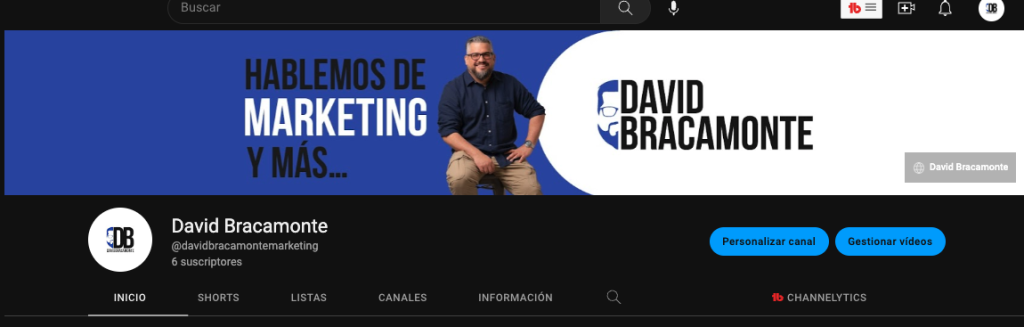
    Suscríbete a mi canal @davidbracamontemarketing

    Personaliza tu perfil: Una vez que hayas creado tu canal, es importante personalizarlo. Agrega una descripción detallada, una imagen de perfil y un banner para que tu canal se vea atractivo y profesional.

    Agrega tus videos: Ahora que tu canal está configurado, es hora de agregar tus videos. Asegúrate de que tus videos sean de alta calidad y relevantes para tu público objetivo.

    Estrategias SEO para mejorar el rendimiento de tu canal de YouTube

    Utiliza palabras clave relevantes: Al describir tus videos, asegúrate de incluir palabras clave relevantes que los usuarios puedan usar para encontrar tus videos en los motores de búsqueda.

    Optimiza tus títulos y descripciones: Asegúrate de que tus títulos y descripciones sean atractivos y detallados. Incluye información relevante sobre el video y haz que los usuarios se sientan motivados a verlo.

    Crea contenido original y de alta calidad: Los videos originales y de alta calidad tienen más probabilidades de aparecer en los resultados de búsqueda. Asegúrate de crear contenido único y relevante para tu público objetivo.

    Utiliza etiquetas y categorías adecuadas: Las etiquetas y categorías adecuadas ayudan a los motores de búsqueda a comprender el contenido de tus videos. Asegúrate de elegir las etiquetas y categorías adecuadas para tus videos.

    Comparte tus videos en otras plataformas: Comparte tus videos en otras plataformas como redes sociales, blogs y sitios web para aumentar la visibilidad y el alcance. Esto también ayudará a mejorar tu clasificación en los motores de búsqueda.

    Integraciones que pueden ayudar al rendimiento de tu canal de YouTube

    Google Analytics: Google Analytics te permite rastrear la actividad en tu canal de YouTube y obtener información valiosa sobre tu audiencia.

    TubeBuddy: TubeBuddy es una herramienta que te ayuda a optimizar tus vídeos para YouTube y a mejorar su rendimiento. Incluye funciones como la optimización de títulos y descripciones, la investigación de palabras clave y la optimización de etiquetas.

    Hootsuite: Hootsuite es una herramienta de gestión de redes sociales que te permite publicar y compartir tus videos de manera eficiente en diferentes plataformas.

    Canva: Canva es una herramienta de diseño gráfico que te permite crear imágenes y gráficos atractivos para tus videos.

    Crowdfire: Crowdfire es una herramienta de marketing en redes sociales que te ayuda a crear y promover tus videos de manera eficiente. Incluye funciones como la investigación de audiencias y la optimización de etiquetas.

    Youtubers que debes seguir 

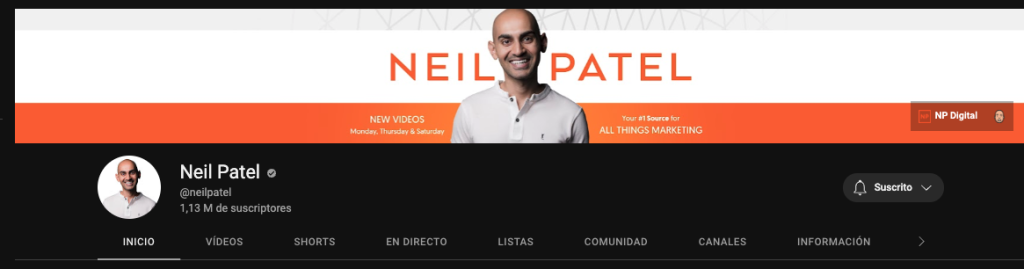
    Neil Patel: Neil Patel es un experto en marketing digital y SEO. Ofrece consejos y estrategias prácticas para mejorar el rendimiento de tu negocio en línea.

    https://www.youtube.com/@neilpatel

    Gary Vaynerchuk: Gary Vaynerchuk es un empresario, inversor y experto en marketing digital. Ofrece consejos y estrategias prácticas sobre cómo crear un negocio exitoso en línea.

    Casey Neistat: Casey Neistat es un cineasta y youtuber que habla sobre cómo crear contenido en línea y mejorar su rendimiento.

    Tai Lopez: Tai Lopez es un inversor y mentor que ofrece consejos sobre marketing digital, negocios y vida.

    Amy Porterfield: Amy Porterfield es una experta en marketing digital y ofrece consejos y estrategias para mejorar el rendimiento de tu negocio en línea.

    En conclusión, abrir un canal de YouTube es una excelente manera de compartir tu pasión y talento con el mundo. Si sigues estas recomendaciones iniciales y aplicas las estrategias SEO adecuadas, puedes estar seguro de que tu canal tendrá éxito.

    Recuerda siempre crear contenido de alta calidad y personalizar tu canal para que se vea atractivo y profesional. Además, no dudes en utilizar las integraciones adecuadas para mejorar el rendimiento de tu canal. ¡El éxito en YouTube está a tu alcance! ¡Comienza a crear contenido y compártelo con el mundo hoy mismo!

    Continue Reading